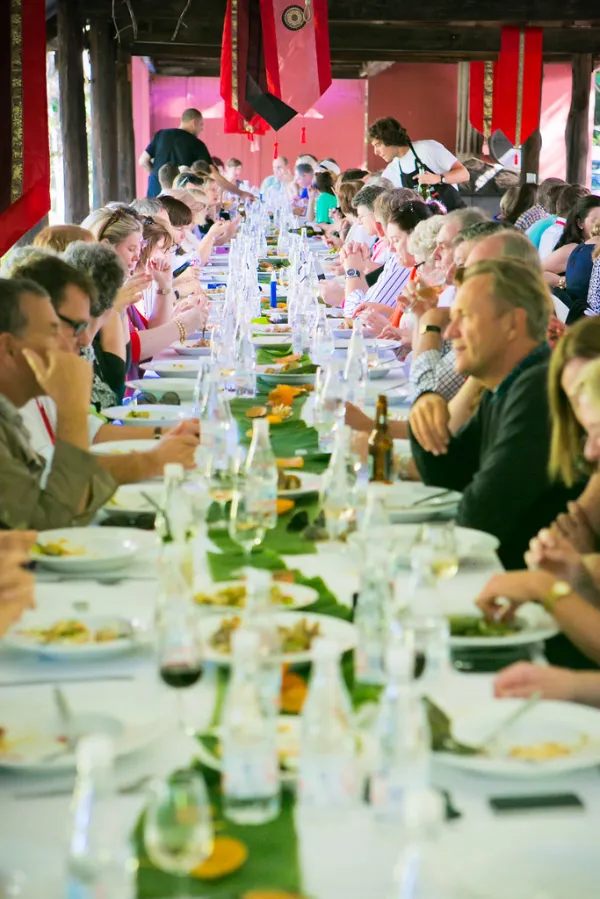
Across cultures, food serves as a powerful expression of history, identity, and connection. From Italian pasta to Colombian sancocho, cultural foods tell stories passed down through generations while helping bridge gaps in an increasingly globalized world. International cuisines, such as Italian, Chinese, Japanese, Mexican, Indian, French, and Thai, have become widely popular due to migration, trade, and media exposure. Every cuisine offers distinct flavors and traditions. Italian food emphasizes simplicity and fresh ingredients, while Thai cuisine balances the flavors of sweet, sour, salty, and spicy tastes. As these foods spread globally, they have become more accessible and have allowed people to experience cultures far beyond their own kitchens.
For many families, cultural food plays a key role in preserving heritage. Andres Salgado, a Colombian student at Central Bucks South who moved to the United States three years ago, said food has been central to his connection with his roots. “Growing up with Colombian food was amazing, and it helped me feel more connected with my roots and my family,” Salgado said. One dish in particular holds special meaning for him: bandeja paisa, a traditional Colombian platter made with rice, beans, meat, plantains, and eggs.
“The bandeja paisa is special because we always used to eat it as a family, and it is very traditional in Medellín,” he said. Family gatherings often revolve around food. It reinforces bonds and traditions. Salgado said sancocho, a hearty soup common in Colombia, is reserved for large family occasions. “Yes, the sancocho, especially when there are big meetings. We get together, and my mom and grandma make it,” he said. “It is a very good soup.”
Passing down recipes and cooking techniques keeps cultural traditions alive. “Cooking together and learning from my parents and grandparents,” Salgado said. “My grandmother’s food is really good.” While food preserves culture within families, restaurants play a major role in sharing traditions with broader communities. Benito Marcantuono, owner of Soprano’s Italian Pizzeria and Restaurant, said his passion for Italian food is deeply rooted in family experiences.
“Italian food has a special place in my heart,” Marcantuono said. “Growing up, my family would gather around the table for homemade pasta and pizza, and I wanted to bring that same warmth and sense of togetherness to my own restaurant,” Marcantuono said authenticity guides every decision, from menu choices to daily preparation. “We make our dough and sauces from scratch every day, and we never cut corners on quality,” he said. “You won’t just get a meal here. You’ll get a little taste of Italy.”
Italian food traditions also influence how the restaurant operates. “Italian food is about more than just the recipe,” Marcantuono said. “It’s about family, sharing, and enjoying life.” Beyond identity and tradition, exploring cultural foods offers personal growth and social benefits. Cooking international dishes introduces new techniques and ingredients. Sharing meals fosters empathy and connection, helping people understand different cultures in meaningful ways. As global cuisines continue to blend and spread, food remains one of the most accessible ways to learn about the world. Whether through a family recipe or a neighborhood restaurant, cultural foods serve as a reminder that understanding often begins at the table.