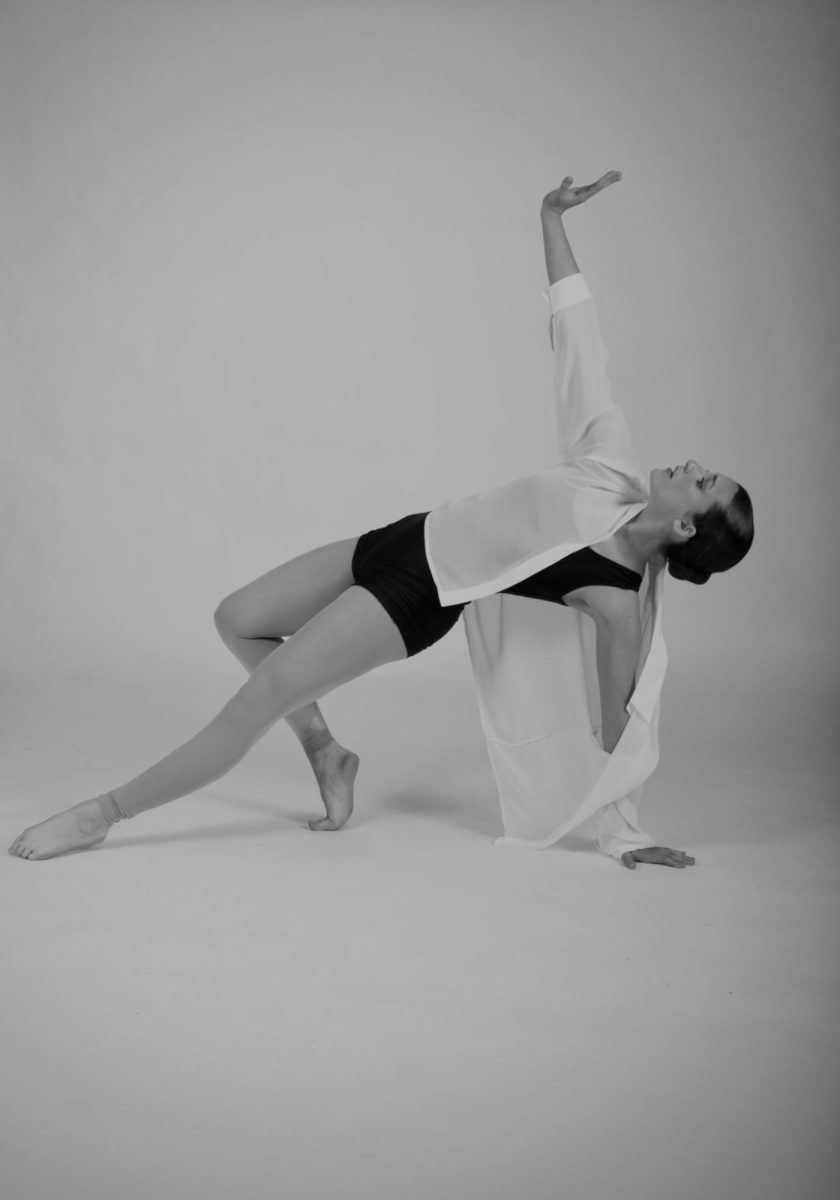
Imagine a conversation where no one speaks, yet everyone understands exactly what is being said. This is the powerful “silent dialogue” that unfolds when musicians and dancers work together to create emotion-provoking masterpieces. When musicians play a low, heavy note, a dancer’s ears don’t just hear it-they work to embody the note, translating the weight into slow, deliberate movement. Even without a script, audience members can clearly feel a story of joy or longing. Music and movement are two parts of the same emotional language. While music works to set an internal mood, dance brings that feeling into the light, creating a harmony that communicates more deeply than words ever could.
The magic of this partnership begins with the dancer’s ability to act as a “visual instrument,” physically displaying the invisible qualities of a song. Dancers work with their muscles and momentum to make these sounds tangible. For example, the timbre, or texture, of the music will dictate the quality of movement for a choreographer. As seen in the music video by Jungle (Back on 74’), the band focuses on a percussive drum beat that the choreographer, Shay Latukolan, translated into sharp, isolated pops in the dancers’ joints. Whereas in Harry Styles’ Sign of the Times, the song has a fluid synth that the Showstoppers expressed in their continuous lines of motion.
Dancing isn’t the only way to be able to express how a song makes you feel. Listening to music is such an important part of expressing human emotion. There is an endless amount of songs, albums, and artists that allow humans to be able to express themselves without using words, as dancing does. The tempo or beat in a song is a crucial piece of the song that creates the overall vibe or mood of the song; it refers to the speed or pace of the song. The tempo allows you to be able to feel what kind of emotion the song is trying to convey. Jared Pleibel, an avid music listener, says, “I definitely take notice of how the tempo makes me feel. If I listen to an ‘uptempo’ song, it motivates me to get up and move/dance.” When creating choreographic pieces, you want the audience to be able to see the emotion being expressed in the song through the dancers. Bailey Lychock, a choreographer at Adriennes Academy of Dance, explains the process of choreographing a sad piece. She says, “Sadness shows heavy moves. They feel like they’re weighing you down almost. I show this through curved shoulders or an arched back. Sadness is grounded and contented.” It is important that the motions being executed by the dancers are followed by the tempo of the song to capture the emotion trying to be expressed.
Music is such an important way of expressing yourself without having to use your words. You can feel the emotions shown by others just by watching them dance to a song or even listening to music. It allows you to convey what the song means to you in the way that you interpret it. Emotion is such an important part of how you present yourself to others and it builds the character of who you are. Without music, it would be almost impossible to be able relate to music and interpret it in your own way by listening, dancing, etc. It is important that you immerse yourself in the emotions that are evoked when listening to music and express yourself.