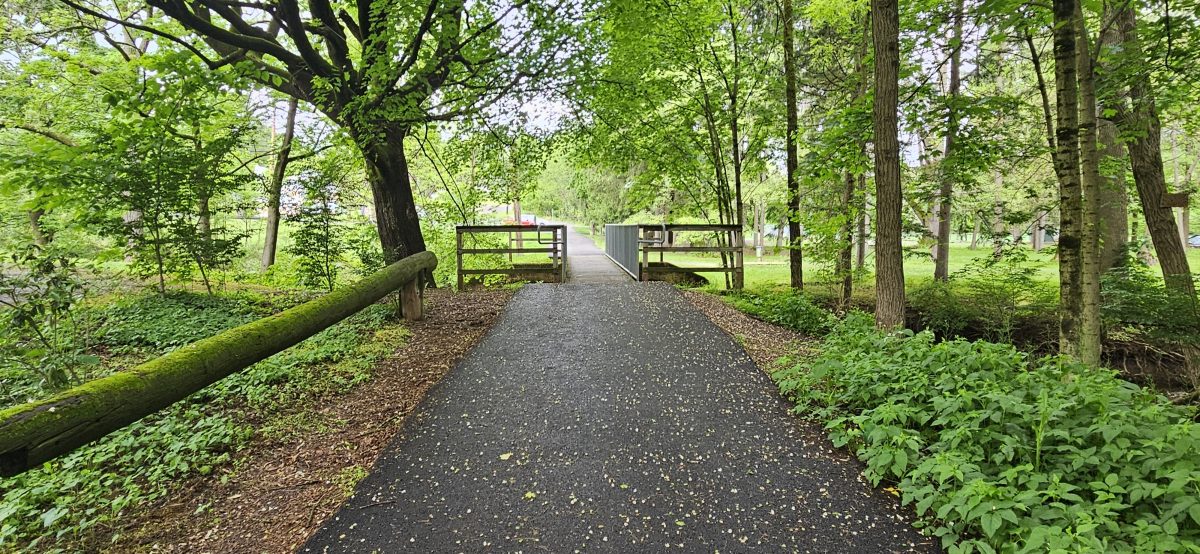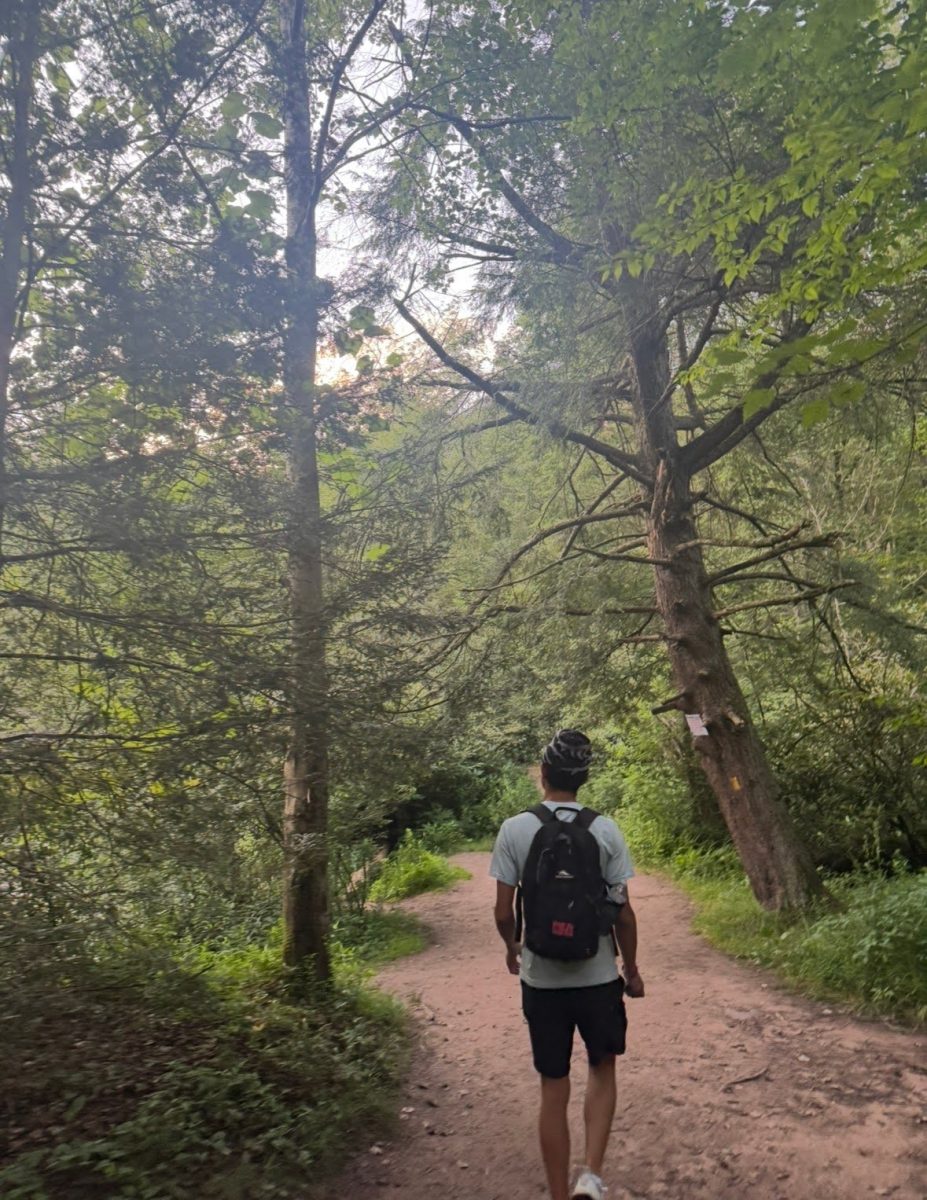
Hiking is often thought of as an outdoor activity, but growing research suggests it may be one of the most effective prescriptions for both physical and mental health. Spending time on the trails offers more than just scenic views, such as improving heart health and reducing symptoms such as depression and anxiety. However, it is stressed that the health advantages of hiking are best when safety and medical preparedness are taken seriously.
According to the National Park Service, hiking strengthens muscles and bones, improves balance, and supports cardiovascular health while also lowering the risk of certain respiratory problems. These physical benefits make hiking an accessible form of exercise for people of many different ages and fitness levels. The National Park Service also notes that hiking with a partner or group can strengthen social bonds, adding an improvement in emotional health to the activity.
Mental health research further reinforces the idea that nature itself plays a strong role in healing. A Stanford University study found that participants who walked for 90 minutes in a natural environment showed decreased activity in a region of the brain associated with depression. The same research noted that people living in cities have a 20 percent higher risk of anxiety disorders and a 40 percent higher risk of mood disorders compared to those who live in rural areas. Nature exposure is strongly associated with positive moods.
Another study published by the Proceedings of the National Academy of Sciences focused on rumination, defined as repetitive negative thinking and a known risk factor for mental illness. Participants who walked in nature reported lower levels of rumination and showed reduced neural activity in brain areas linked to mental illness risk. Researchers emphasized that accessible natural areas may be vital for mental health in an urbanized world.
Despite the benefits, hiking also has medical risks. A study from the National Library of Medicine examined wilderness backpackers, where they found that common medical complaints included foot blisters, diarrhea, skin irritation, and acute joint pain. Tick exposure was also very significant, including a quarter of hikers reporting tick bites, with some leading to Lyme disease. Poor hygiene while hiking, such as drinking unfiltered water, greatly increases the risk of illness.
Dr. Gary W. Nace, Jr., Director of the Children’s Hospital of Philadelphia Trauma Program and an experienced hiker, sees these risks firsthand. “The most common injuries include ankle sprains, fractures from falls, dehydration illnesses, and head injuries,” Nace said. He added that uneven terrain, poor footwear, and underestimating trail difficulty often contribute to preventable injuries. “Dehydration,” he explained, “can impair judgment and significantly increase the risk of heat-related illnesses.”
Preparation is the key to minimizing the dangers that follow hiking. Nace recommends that all hikers carry basic first-aid supplies, a water bottle for hydration, and a way to communicate with others. He also emphasized the importance of researching trails before hiking, pacing yourself, and recognizing when to turn back.
Nurse and avid hiker Robert Newsome agrees with this advice, noting that his medical background shapes how he prepares. “I prioritize hydration, nutrition, blister care, and early symptom recognition,” Newsom said. He stressed the importance of hikers not needing bulky kits, but that they should carry lightweight essentials. Skills like wound care, sprain management, and recognizing heat-related illnesses are important for beginners.
REI Co-op’s expert recommendations align closely with medical advice, outlining essentials such as antiseptic wipes, blister treatment, pain relievers, elastic wraps, and oral rehydration salts. These items address the most common hiking-related medical issues and can prevent minor problems from escalating into emergencies.
Hiking stands out as an accessible form of natural medicine. When combined with thoughtful preparation and medical awareness, hiking can be both beneficial mentally and physically, one step at a time.