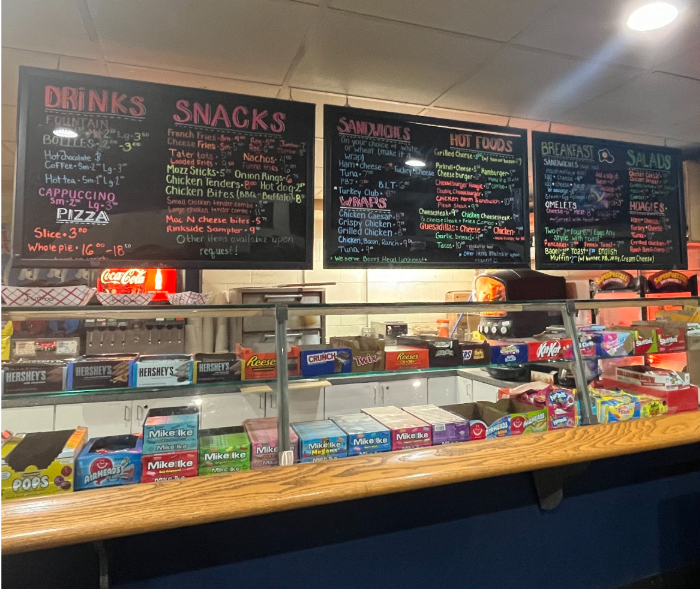
For many fans, watching a sports game is about more than just what happens on the field, court, or ice. Whether it’s a local rink or a professional arena, snack stands are a deeply ingrained part of the sports experience. The smell of popcorn, fires, and hot dogs drifting through the arena is often just as memorable as the game itself. For fans who eat gluten-free, however, this tradition can feel limiting.
Snack stands serve as social hubs and major revenue sources. At professional games, concession sales bring in significant income, while at youth and high school levels, they often help fund uniforms, equipment, and travel. Food is also tied closely to nostalgia. Just like hot dogs at baseball games or Cracker Jack immortalized in “Take Me Out to the Ball Game,” hockey fans often associate snacks with the excitement of game night.
For people who must eat gluten-free due to celiac disease or gluten intolerance, those traditions don’t always include them. Many standard concession items, like chicken tenders, pizza, and burgers, contain gluten or are made with a high risk of cross-contamination. That often leaves gluten-free fans with limited choices.
Some gluten-free options are commonly found at snack stands. Pre-packaged chips like Lays, Fritos, and Cheetos, along with fruit snacks such as Welch’s or Gushers, are usually safe. Fresh fruits, pickles, popcorn, ice pops, and wrapped candy can also be gluten-free. Drinks like soda and water are generally safe as well. Hot food can be trickier. Hot dogs or burgers without buns may be gluten-free, but shared grills and utensils increase cross-contamination risks. Fries are only safe if cooked in a dedicated fryer, which many venues do not have.
These limitations can make fans feel excluded. McKeala White, a hockey player here at Pennridge who has celiac disease, says food is a big part of attending games because they often happen during dinner time. “It would be nice to have something easy to eat, but there aren’t many options,” she said. She also shared that team events involving food, like pasta nights, can be especially difficult and isolating.
Jack Moyer, a gluten-free hockey fan, agrees that food adds to the live sports experience. Before his diagnosis, snacks were part of the fun. Now, he usually eats before or after games and only gets popcorn if he feels comfortable. “A lot of the time, the only option is snacks because of cross-contamination,” he explained.
Both believe inclusivity is possible. Dedicated gluten-free stands, gluten-free buns, and clearer labeling could make a big difference. Until then, many gluten-free fans come prepared; they bring their own snacks to ensure they can enjoy the game without worry.
Snack stands may seem like a small part of sports culture, but for gluten-free fans, better options could make the entire experience feel more welcoming.
Sources:
https://celiacselfcare.christinaheiser.com/p/gluten-free-food-sporting-events
https://www.celiac.com/forums/topic/1933-what-to-eat-at-sporting-events/