For decades, Disney has been one of the most influential movie studios in the world, creating films that shape childhoods and pop culture. In recent years, Disney has increasingly turned its animated classics into live-action remakes. While these films aim to bring beloved stories into a more realistic format, many fans still believe animation is where Disney’s true magic shines.
Live-action movies are grounded in reality, featuring real actors, physical sets, and real-world locations. These films often excel at showing realistic emotions and everyday life. However, the production process is complex and expensive. Live-action films require long shoots, managing actor schedules, costumes, props, and sometimes unpredictable factors like weather. All of this can lead to delays and higher budgets. Disney’s live-action remakes, such as Mulan, Aladdin, and The Little Mermaid, received lower ratings compared to their animated originals. For example, Aladdin’s live-action version scored a 57% on Rotten Tomatoes, while the animated version earned a 96%. Animation, on the other hand, exists in the realm of imagination. Disney animated films allow creators to build entire worlds through hand-drawn art or computer-generated imagery (CGI). Talking animals, flying cars, and expressive emotions are all possible through animation. According to Disney Animation, films can take three to five years to complete due to the many stages involved, including storyboarding, visual development, sound, casting, and shot production. Disney also has access to over 65 million assets in its Animation Research Library, giving artists endless creative resources.
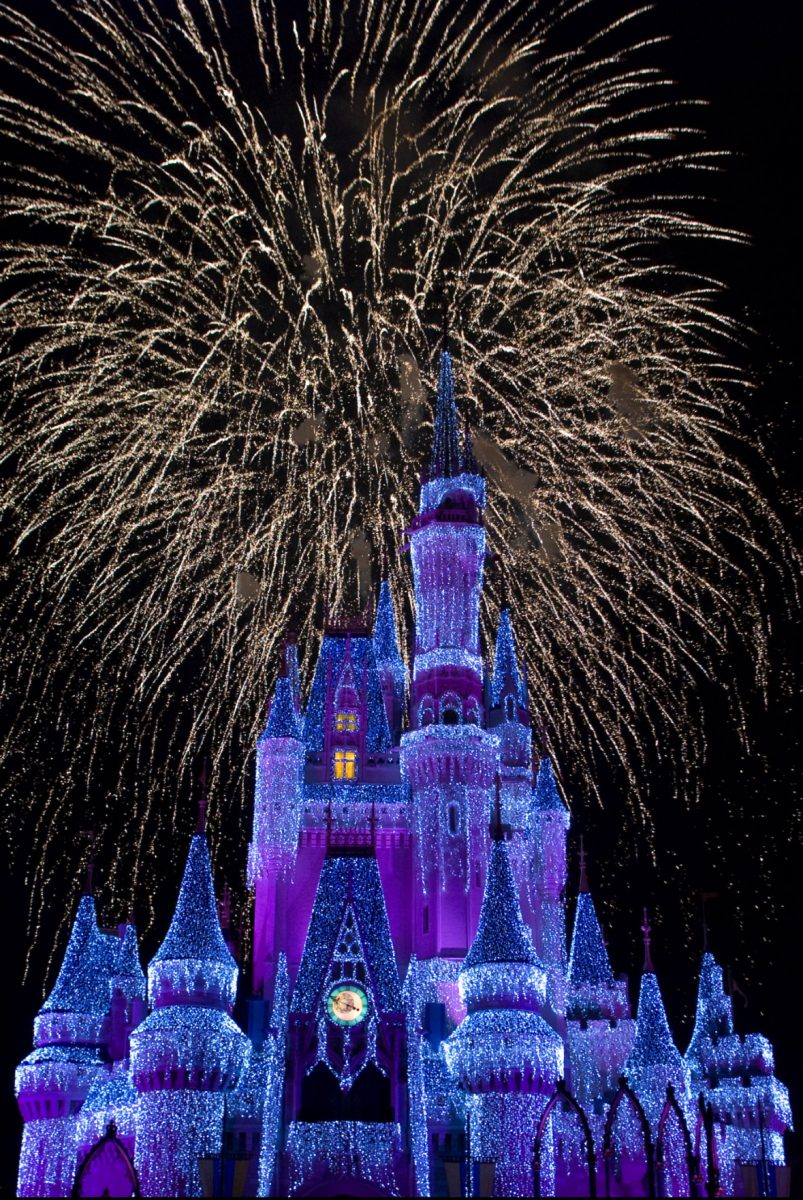
Many fans feel a stronger emotional connection to the animated films. Rikki Williams, a Disney fan, shared that while she enjoys live-action movies, animated films feel more magical. “The childlike magic that can be shown through the production is not the same,” Williams added. She added that animated characters feel more authentic, especially at Disney parks, because they represent the characters people grew up with. Candace Luciano also strongly prefers Disney’s animated films. “Disney’s whole theme is nostalgia,” she said. “Live action movies don’t give that sort of childlike feeling,” Luciano explained that Disney parks feel immersive because of their attention to detail, helping guests feel like they are inside a different world. The same immersive feeling is often missing from live-action films.
Animation also benefits Disney financially. Animated characters are easier to market through merchandise and sequels, which helps films stay relevant for long periods of time. Disney even develops its own technology, such as Storypad, to help animators tell stories more efficiently. While live-action films aim to modernize Disney’s classics, audience reaction shows that animation still holds a special place in people’s hearts. As Disney continues to produce both formats, it is clear that animation remains the foundation of Disney’s storytelling legacy. Because animation is more flexible and predictable, Disney can carefully control costs and timelines while still pushing creative boundaries. This balance of creativity, storytelling, and business success helps explain why animated films continue to outperform many live-action remakes. As Disney moves forward, fans hope future live-action films can blend innovation with the emotional nostalgia that made Disney what it is today.