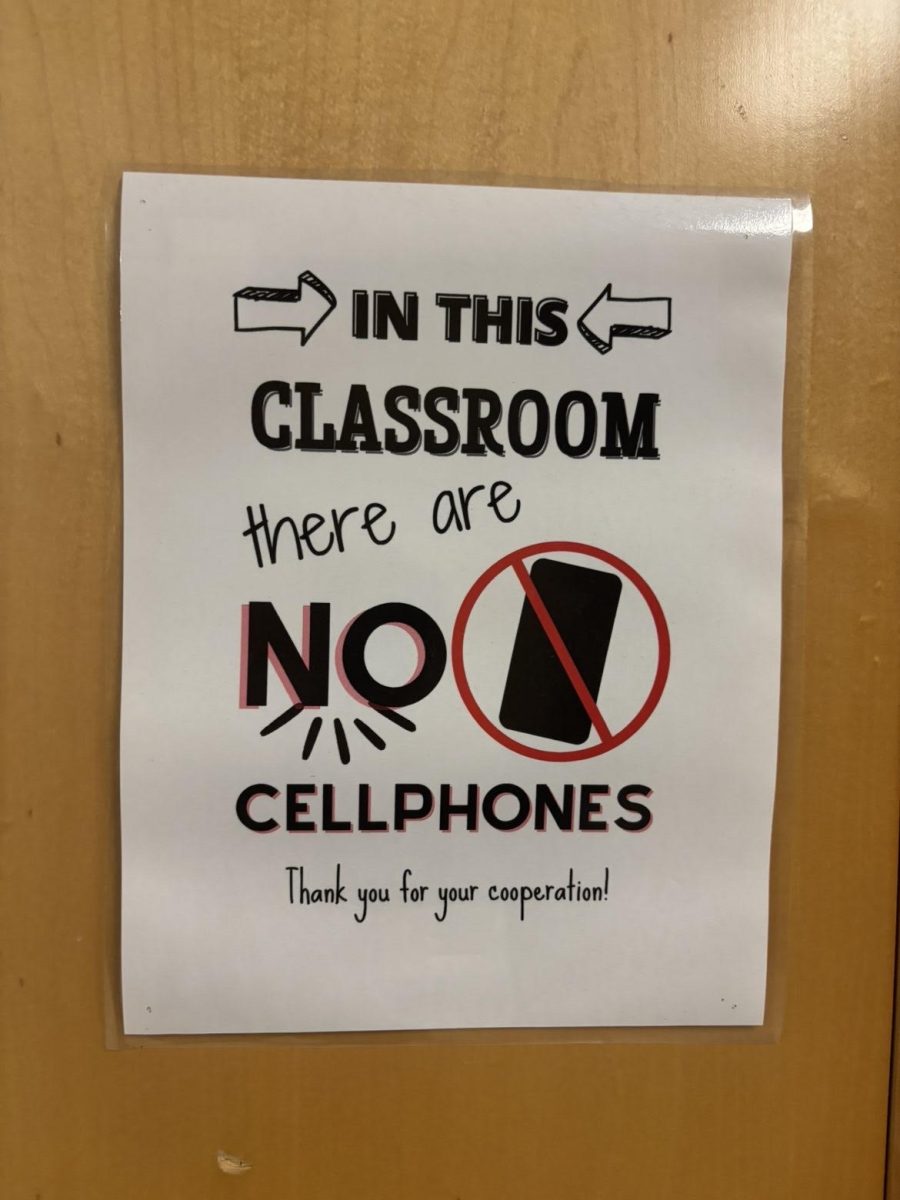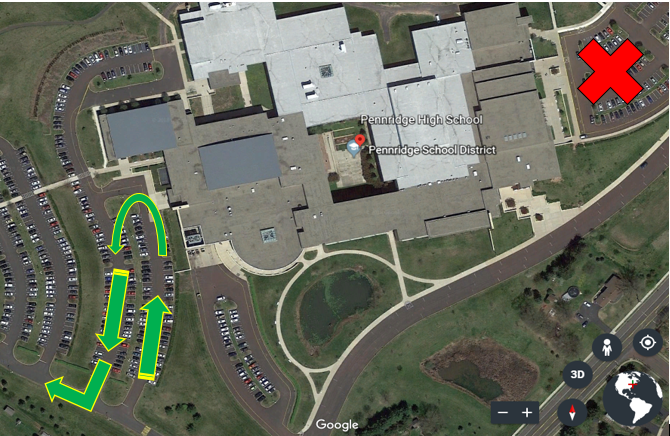
Critics of cell phones in schools argue that devices are nothing more than distractions. They point to social media, notifications, AI use, and classroom distractions that divert students’ attention away from learning. Across the country, at least 13 states have implemented or recommended restrictions on student phone use, according to Education Week. Districts near Perkasie, Pennsylvania, including Pennridge and the Central Bucks School District, have adopted strict bans in hopes of improving focus.
However, banning cell phones entirely ignores the reality of modern student life and overlooks the benefits phones provide when used responsibly. Rather than confiscating devices, schools should allow cell phones under structured rules that balance learning to prepare for safety and preparation for the real world.
One of the strongest arguments for allowing phones in school is safety. In emergencies, cell phones offer students a direct line to parents and first responders. School safety expert Kenneth S. Trump told Education Week that there have been instances where first responders were contacted more quickly because students had their phones. That access can be critical during lockdowns, natural disasters, or medical emergencies. Senior Lily Dietzold said phones provide reassurance in uncertain situations. “Having the ability to call parents during times of emergency is important not only for the student but also for the parents,” Lily Dietzold said. “In times of emergency, not having access to a phone could be a problem.”
Phones also help students manage everyday logistics that the school can not always predict. Changes in pickup time, after school activities, or family issues are easier to handle with instant communication. Lily Dietzold shared a recent personal example, explaining how quick texting prevented chaos when her family suddenly needed access to the car she drove to school. Situations like that are common, and without phones, students are often left stressed and distracted.
Beyond safety and communication, cell phones have clear educational value. Many teachers at Pennridge already rely on platforms such as Kahoot, Gimkit, and Quizlet to engage students in interactive learning. Phones also serve as calculators, planners, note-taking tools, and calendars. For students who may not own every supply item required, phones can fill the gap for them. “Personally, I do not have a calculator, so when I need to do some equations, I use my phone,” Lily Dietzold said. “I feel like I should not have to buy something when I can use my phone to accomplish what needs to be done.”
Another Key benefit is preparing students for life beyond high school. In college and the workplace, phones are not banned, but are a tool. Learning how to manage distractions now is more realistic than shielding students from technology altogether. Eva Pena believes bans do more harm than good. “After high school, during the real world and even college, cell phones are not banned,” Pena said. “So banning cell phones during school is pointless because it teaches us nothing for the future.” Instead of outright bans, Pena supports structured rules that teach balance. When the teacher is teaching us something, I think it is important to focus and stay off your phone,” she said. “But when there is free time in the classroom to do work, I think it is important to learn how to complete tasks with your phone by your side.”
The oppositional view often believes that students use Artificial Intelligence apps on their phones to cheat, which gives them a reason to confiscate phones. While that concern is valid, banning headphones does not eliminate dishonesty, but changes the method of cheating. Schools should dress up cheating through academic policies like Pennridge has and promote ethical technology use.
Additionally, phones can also reduce student anxiety. Being able to check messgaes form family reassures students that they are not missing something important, allowing them to focus better in class. Pena said having her phone eases stress and helps her concentrate rather than worry.
Cell Phones are an integral part of modern society. Attempts to ban them have been inconsistent and difficult to enforce. By allowing phones in schools with clear expectations, it can teach students responsibility and self-control, which are both skills that students need after graduation. Instead of taking phones away, schools should show students how to use them wisely and as tools.
Sources:
https://www.graduateprogram.org/blog/cellphones-in-the-classroom-should-it-be-allowed/
https://www.edweek.org/leadership/parents-want-cellphones-in-the-classroom-heres-why/2024/09
https://www.centralriversaea.org/news/the-debate-over-cellphone-use-in-schools-pros-and-cons/
https://www.centralriversaea.org/news/the-debate-over-cellphone-use-in-schools-pros-and-cons/
https://openverse.org/image/241fa202-1f36-4bc7-af06-579a0ad1a7be?q=cell+phones&p=1