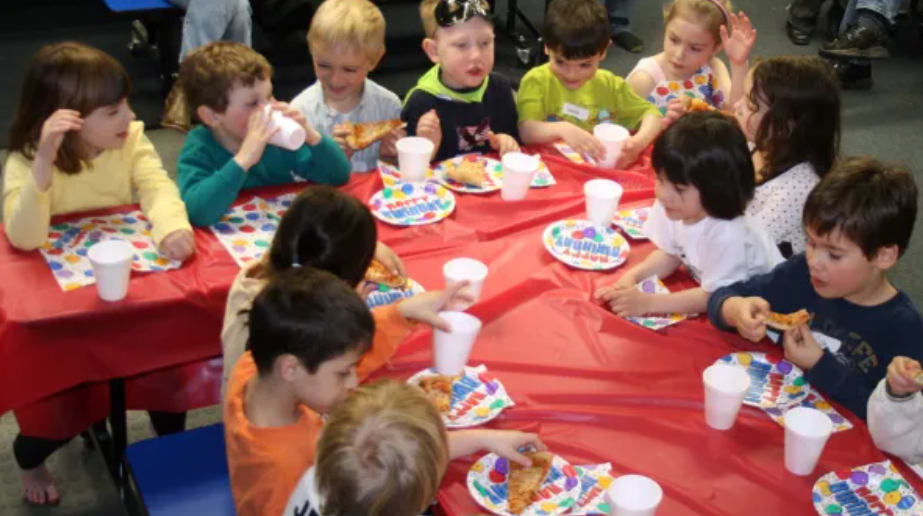
Classroom parties, whether in kindergarten or senior year, are beneficial to students in many ways, including fostering a better relationship between teachers and students, improving students’ social skills, and enhancing academic learning. Typically, a classroom party involves some kind of food or fun activity during educational time, rather than traditional learning. According to Bored Teachers, a blog run by teachers to share firsthand classroom experiences, some common parties teachers include in their curriculum throughout the year are pizza parties, dance parties, mad scientist parties, art parties, and movie parties. The blog notes the benefits of eating while learning, as doing something fun at school can release “feel-good” chemicals in the brain, making learning more enjoyable. Giving students time dedicated to building bonds with one another creates a sense of community and place that many children are eager to have as they move through their school years.
In Pennsylvania specifically, the school day for first through eighth grade must be five hours long, and from ninth through twelfth grade, that number increases by half an hour. Take that length of time and multiply it by 180, which is the minimum number of school days for most Pennsylvania schools; that is how long each student is within the school community during the year. By taking the time to hold classroom parties and create a strong sense of community, that school setting isn’t one that students have to only correlate education with; it can be a place where students can look forward to going to each day. Columbia Center for Teaching and Learning describes with research-backed data that when students feel that they belong to their academic community, that they matter to one another, and that they can find emotional, social, and cognitive support for one another, they can engage in dialogue and reflection more actively and take ownership and responsibility of theu own learning. This community-building aspect can be really important for students’ growth, especially for those who may be struggling with challenges at home or in their personal lives, providing a buffer. Knowing that they do have a safe place with a community that is positive and supportive for them to go each school day can make all the difference.
One concern, especially for public school classrooms when it comes to having parties in the school environment, is cultural sensitivity. When classrooms host themed parties centered around upcoming holidays that the school may have off, such as religious holidays during winter break, it can be isolating for those students who do not participate in that religious holiday. As public schools are open to any background, the environment needs to stay welcoming for all students, not leaving out any culture or discriminating against differences, by hosting a party. The Childhood Education Institute notes how this has been a problem in many schools, with themed parties that can accidentally lead to exclusion or alienation. The source recommends the best way to avoid those kinds of problems is to host parties that do not contain any theme about a specific kind of culture, or use the parties to promote cultural awareness for students. The holidays offer a wide variety of vibrant traditions, customs, and beliefs to be shared with students as a lesson about diverse cultures around the world. It is important that teachers who are open to teaching about the cultural aspects of holidays when hosting a party stay unbiased, consistent, and very aware of how each lesson and chosen celebration will be interpreted by students. When a party is planned thoughtfully and will regards to all of the students in the classroom, it can be an amazing experience for the students to learn and grow through learning about others.
Hosting classroom parties allows students to celebrate the small wins through enjoyment and a break to reflect. The 3P Learning author, Mark Ankucic, describes how classroom parties are more than just “feel-good moments”; they can help propel students forward on their education journey as students are motivated through incremental progress. In every classroom, it is important to maintain a healthy balance between breaks and classwork. Only doing educational classwork can cause burnout in students, but too much break time can cause students to be distracted or uninterested when it comes time to get back focused on learning. Mikaela Fabey, a college student at Arcadia University and a prior Pennridge High School graduate, explained the importance of these parties when it comes to the balance of educational learning and fun, As she is a student who has moved through the different educational levels from grade school to college, she has seen the impacts of having a class party while in grade school compared to college where does not have the parties, noting how the last time she has a class party was “not since high school”. She explained, “It’s a nice break sometimes from the workload and allows just having fun.” For many students, that break in educational learning every once in a while is necessary to take time to look back on what they have done well throughout the year and to avoid learning burnout.
Many teachers, to maintain a good balance between learning and fun, will challenge their class to a goal for the entire class to reach to attain the party, which also provides other positive aspects like effective team building and celebrating success as an inclusive event for students. Kayla Klepeiss, a current senior at Pennridge High School, says, “With class parties, the kids can talk to each other more, which can help the relationships they build,” providing insight from a current student about the positive impacts on the school community. Those interactions during parties are proven to be even more impactful when the students are all working together towards a common goal, such as winning the party and than cebebrating together.
Classroom parties are a simple way to keep students looking forward to coming to school each day and to help students build connections with their classmates, making a more positive community. The pros of the parties outweigh the cons. There are countless benefits to having that break in the educational learning every once in a while to provide students with a fun time to get to know each other and relax.
Sources:
https://www.boredteachers.com/post/classroom-parties
https://www.cceionline.com/classroom-party-ideas-to-help-foster-learning-experiences/
In the U.S., 180 days of school is most common, but length of school day varies by state