Lemonade has become a popular beverage at many fast-food type restaurants, often influencing customer preferences and even eating choices. Though it seems simple, lemonade varies widely in how it is prepared, sweetened, and marketed. Restaurants like Chick-fil-A, Chipotle, Panera, Raising Cane’s, and Cava each offer their own version, creating small but important differences in taste and customer appeal.
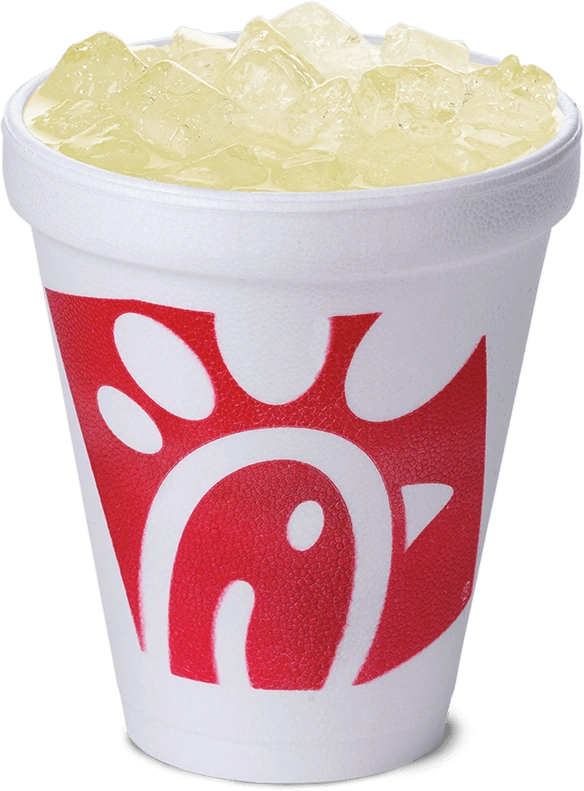
Chick-fil-A is frequently praised for its lemonade, which is made with just three simple ingredients: lemon juice, cane sugar, and water. It is prepared fresh daily in-house and stored in large containers. Chick-fil-A also offers a diet lemonade, sweetened with Splenda, reducing calories significantly. This focus on fresh and simple ingredients contributes to its strong reputation.
According to a Chick-fil-A employee, Meghan O’Donnell, the lemonade at her location is made using a lemon concentrate mixed with filtered sugar and water. A fresh batch is prepared every morning, and managers follow exact measurements and taste-test it during the day to maintain consistency. O’Donnell noted that customers frequently compliment the lemonade, often describing it as refreshing and more “real” than soda.
Chipotle takes a more health-focused and sustainable approach. Its lemonade is sourced from Tractor Beverage Co., a brand founded by Travis Potter. The drink is organic, non-GMO, vegan, kosher, and gluten-free. Ingredients include water, cane sugar, lemon juice concentrate, lemon pulp, citric acid, turmeric extract, and added vitamins. This combination creates a tart flavor. Chipotle also offers hibiscus lemonade and agua frescas, giving customers a wide variety beyond traditional sodas.
Panera Bread offers an agave lemonade made with lemon juice, sugar, agave nectar, and water. Panera has also introduced flavor options such as blueberry lavender lemonade. However, Panera previously faced challenges over its “charged” lemonades, which were highly caffeinated and linked to several lawsuits, including a case involving a 21-year-old University of Pennsylvania student with a heart condition, ultimately leading to the product being discontinued.
Raising Cane’s is known for its sweet lemonade made fresh daily. Customers can also order half-sweet tea-half lemonade, and may purchase a large jug of their lemonade. Cane’s lemonade tends to be very sweet, which many customers enjoy along with their signature chicken.
Cava’s classic lemonade is made in-house as well, offering a vegan and vegetarian-friendly option. The flavor leans towards a clean, lightly sweet profile that pairs well with their Mediterranean-inspired food.
Chipotle customer, Bryce Longoria, provided insight into how real customers compare these drinks. Bryce said that Chick-fil-A has the best lemonade because it tastes the freshest and has a strong lemon flavor without being too sour. He described Panera’s lemonade as lighter and less sweet, Chipotle’s as more tart, and Raising Cane’s as super sweet. Bryce also noted that he would usually drink lemonade at places such as Chick-fil-A and Panera, but at other places, soda is his usual choice. While he sometimes notices minor consistency differences between locations, the overall quality stays up to his usual standard. He shared that if he could change anything, he would prefer less sugar and more real lemony flavor.
From trying each lemonade ourselves, we found that Chick-fil-A offers the best mix of sweetness and tartness. Chipotle’s lemonade is much more tart, which is not for everyone. Panera’s lemonade is lighter and refreshing, but lacks a strong lemon flavor. Raising Cane’s is very sweet, while Cava’s is clean and easy to drink but not very memorable.
After comparing ingredients, nutrition, and customer opinions, it’s clear that lemonade isn’t just an afterthought at fast-casual restaurants. Each chain puts its own twist on the drink, whether that’s sweetness, a more tart flavor, or a focus on natural flavors. Trying them side by side shows how much these small differences matter. Lemonade helps shape the overall experience at these dining establishments and can influence where someone decides to eat.