Photography is a big part of advertising in today’s culture. A photo can tell a thousand words and can show the product to viewers so that they want to buy it. They are excellent at grabbing one’s attention and encouraging them to buy the product they’re selling. High-quality photos that show detail and make things look more appealing are usually the ones that do the best in the advertising world. Consistent and professional photos can create a strong and recognizable brand identity and build trust, which will make the product more memorable.
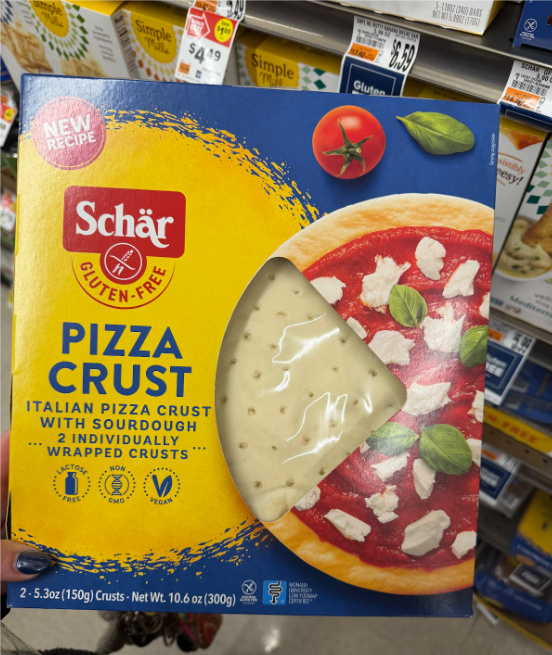
One area where photography is crucial for advertising is food. Photos of food are used in restaurants on menus, in grocery stores on food packaging and signs, and on social media to advertise food products. Photos of food are now more influential than ever due to the rapid spread of information in the media. People who see appetizing and appealing photos of food are more likely to buy the food. Mouth-watering photos are more likely to get more likes, shares, and comments, which can expand the visibility of the product while also attracting potential customers.
Gluten-free food is no exception to this. People who are not gluten-free usually don’t buy gluten-free products and are under the belief that they are of worse quality than traditional food items. The common conception is that gluten-free food is drier, less flavorful, and more crumbly than food that is not gluten-free. However, this is not always the case with gluten-free products, as most gluten-free food tastes the same as traditional, and not gluten-free food. With a little bit of photography and advertising, gluten-free food can look just as appealing to the general public as non-gluten-free food.
Nora Heying, a senior with a gluten allergy, says that she is more likely to buy gluten-free items with appetizing pictures on the packaging because then she can visually see what the food is going to look like. Heying says that the most common advertising she sees for gluten-free food is on menus and posters, and that the only downside is that most of the time, gluten-free food is more expensive. Jack Moyer, another gluten-free student at Pennridge, says he wishes that there were more advertising for gluten-free food. He says, “ Usually if it’s being advertised as gluten-free, it’s just a substitute for the original thing, and it’s usually not as good. It’s also always more expensive, which can be annoying.” Heying agrees, stating, “I feel it’s important to have more inclusivity when it comes to food allergens like gluten-free. I feel like they don’t really portray gluten-free in an appetizing light.” Problems like these are very common among gluten-free people, but they can be solved by better advertising and better photography of gluten-free products.