“The idea of getting together with family and sharing a meal is good, but the story behind the day creates a false narrative of the relationship between the British and the Native Americans,” states Robert Cousineau, Pennridge AP US History teacher. The first Thanksgiving in 1621 was a feast shared by the English Pilgrims of Plymouth and the Wampanoag Native Americans. The day consisted of a surprise visit from the Wampanoags, who brought an abundance of food, including venison, vegetables, and beer. At this first Thanksgiving, everyone shared what they were thankful for, such as the plentiful harvest and their family’s health. This gathering did occur; however, a plethora of attacks between these two groups preceded and followed it. Thanksgiving has evolved from celebrating this once misrepresentative day in history to simply a celebration of thankfulness and family.
Thanksgiving began as a religious holiday in the sense that people were thanking God for their good fortune. However, as time has progressed, so has this holiday. This day of thanks was not considered a national holiday until the Civil War. Many presidents, including Thomas Jefferson, believed it would be a conflict with the separation of church and state to require the American people to celebrate Thanksgiving. When Abraham Lincoln finally announced Thanksgiving as a national holiday on October 3, 1863, it was officially considered non-religious so that this conflict would be resolved. Thanksgiving is now considered a secular holiday, not bound by one particular religion, so that everyone can be thankful in their own way.
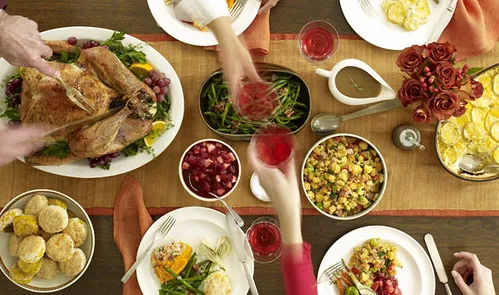
Thanksgiving traditions can take many different forms, from shopping to donating. In the early Thanksgiving celebrations, many traditions were centered around food, such as the breaking of a wishbone or the presentation of a cornucopia. Modern-day Thanksgiving traditions include watching the Macy’s Thanksgiving Day Parade, watching the Thursday night football game, and donating to food drives. The traditional Thanksgiving day meal consists of turkey, gravy, mashed potatoes, cranberry sauce, stuffing, and green bean casserole. One nationally recognized Thanksgiving Day tradition is the pardoning of a turkey. Each year, the President of the US pardons a live turkey from being cooked for Thanksgiving dinner. This tradition was made official in 1989, but has roots in Abraham Lincoln’s presidency.
In the Pennridge community, many people see the Thanksgiving Day football game as the highlight of the day. Shane Rowand, one of this year’s football captains, explains, “The game adds a community aspect to my Thanksgiving celebration. I get to celebrate the day with people from all around Perkasie and Pennridge instead of just my family.” Many people choose to celebrate a different version of Thanksgiving known as “Friendsgiving.” The idea has origins in A Charlie Brown Thanksgiving, when all of Charlie Brown’s friends invite themselves over, and Friends, which has a Thanksgiving meal among the group of five friends in every season.
Thanksgiving has evolved from a misrepresentation of history into an inclusive day of giving thanks. The holiday’s origin story obscures centuries of conflict between Natives and colonizers, but modern Thanksgiving has become something more universal: a day to gather with those who matter most. In surrounding ourselves with loved ones and expressing genuine gratitude, we give the holiday new value.
Sources:
https://www.britannica.com/topic/Thanksgiving-Day
https://www.si.edu/spotlight/thanksgiving/history
https://www.ef.com/wwen/blog/efacademyblog/top-10-thanksgiving-traditions-in-the-us/