With a quiet air of suspense all around the room, it is not just the audience that waits for her to arrive, but unlike them, who wait for her to begin the show, the crew has already begun. From reading excerpts from Broadway musicals at spring concerts to organizing a full-length musical production of “Bye Bye Birdie” performed by the concert choir, Pennridge High School’s Performing Arts has undergone tremendous growth to become what it is today. With some exceptions, every year the Theatre Department puts on two shows for the community to enjoy. The first is a fall play that is often short in length and centered around acting, and the second performance is a spring musical that, in comparison to the fall play, is longer with more music and is more focused on singing and dancing. What both performances have in common is that excessive amounts of work and patience go into making these shows a hit.
Looking more closely at the spring musical, before the rehearsals even begin, the cast must first be chosen through auditions and, for some, callbacks. Drew Vasey, a junior who was part of all of the musicals and plays, says, “It’s agonizing to wait for the email telling you if you are in or if you’ve been cut.” The first practices they have are learning the music they will be singing, and often they are three days a week. Then they transition into what’s called blocking, which breaks down each scene and allows the director to place each character into their designated location for each scene, and this often is every day or almost every day for a week. After the show has been blocked, a one-time rehearsal called Sitzprobe occurs around a month before the show which involves the cast singing for the first time with the pit orchestra. “Very stop and go, we stop and we edit and we add parts to help it to align so it fits properly for both musicians and singers,” said Riley McDonald, a senior who took part in the past three high school musicals. After that, around once or twice a week, the pit practices with them, and then a few weeks before the show, the lights and sound crew is added to add the necessary spotlights and other lighting, in addition to hooking up microphones to cast members with speaking lines.
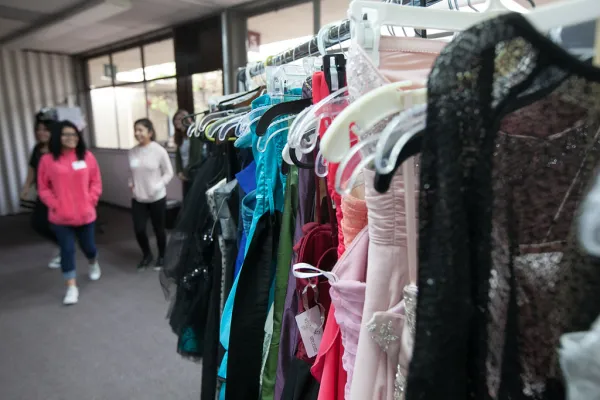
From behind the scenes, literally, lies a backstage area where, for months, stage crew worked to not only create the set and help make additional set pieces and props, but also help with moving the set pieces, make sure props are in the right places, and help make and fix up costumes whenever needed. “They are the backbone of every production and work so hard to get it all done and looking nice,” said Emma Rock, a junior who was in the prior high school musicals and was part of the stage crew for the fall play Almost, Maine (2025).
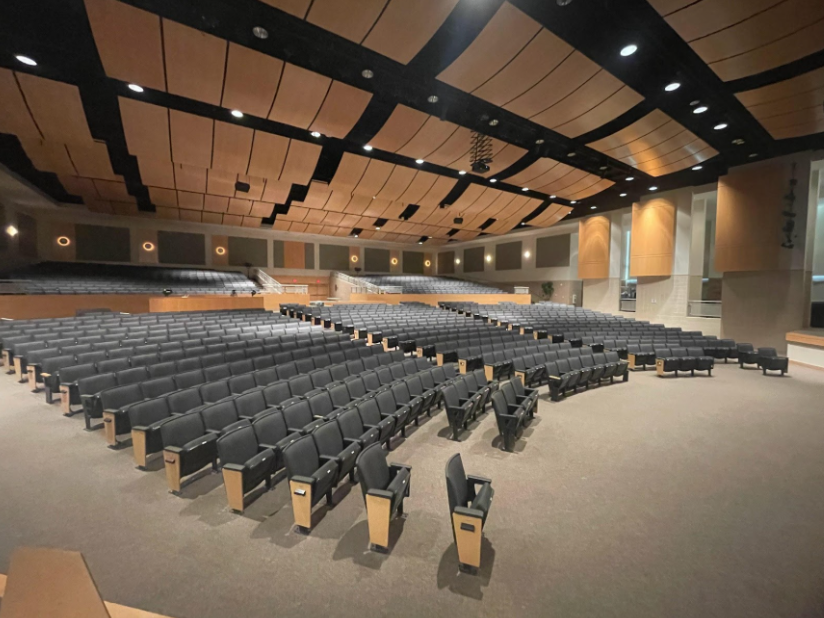
Although the main issues the cast and crew face are memorization and, as the show approaches, fatigue, as everything has gotten larger in scale, so have some of the overlooked issues. Darian Smola, a senior who mainly does sound for the lights and sounds crew, noted that due to study halls oftentimes being in the auditorium and the lights left on, “Half of the lights are dead regularly.” What makes this issue more of a concern is that, due to the lightbulbs not being manufactured anymore, purchasing new ones is stressful. Although this issue is not the Theatre Department’s fault, to make future productions bigger and better, attention must be paid to such overlooked issues that may potentially jeopardize the success of their shows.
Now that the cast has prepared themselves for their big moment, with the crew ready to make sure they shine, the leading lady is ready to begin. After being chosen for her role after her callback, she spent months singing and dancing to prepare herself for the sold-out shows she would perform. On the opening night, she waits behind the curtains with her costume adjusted to hide a little microphone taped on her face, and the room is dimmed so she can’t even see her feet below her. As the music dies out she knows the moment the first instrument plays the show will start. The audience will believe that the show has started with her arrival but in truth, it began with the crew long before. With pats on the back and good lucks by the family she made out of her cast and crewmates, slowly her feet began to be visible once more, and the stage in full bloom illuminated for the audience to awe at. All that’s left for her castmates, crewmates, and herself is the cue of the instrument to signal a domino effect of reactions, but for now, the audience like them must wait and learn patience, as she had to learn herself.