The Crash On Halloween
What should have been a night of costumes and fun turned tragic on Halloween in Bucks County, Pennsylvania, when a devastating crash on Bristol Road killed three teens and left a fourth in critical condition. The area, already known for its dangerous downward crest, quickly filled with emergency responders as the community learned of the heartbreaking news. Sheriff Fredrick Harran said the emotional impact was immediate. “Anytime children are killed, it brings a great deal of mental trauma to the community. Everyone’s heart goes out, and everyone talks about it,” he explained. “Even if someone is not connected to the individual, everyone’s hearts go out.”
Bucks County Roads
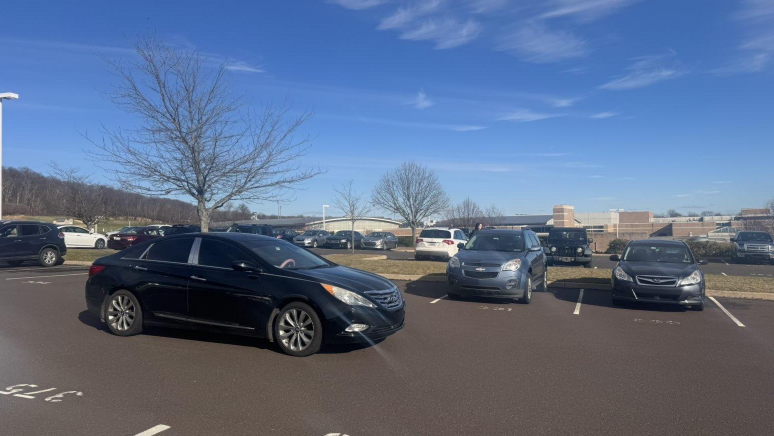
Bucks County has consistently ranked among the highest in Pennsylvania for traffic crashes and fatalities. Heavy traffic, fast suburban roads, aging road design, and seasonal hazards combine to make one mistake deadly.
Sheriff Harran explained that crash frequency follows a pattern. “Rush hour is high volume; it follows the laws of statistics. More cars on the road means a greater likelihood of crashes.” He recalled an incident from his early career that still affects him decades later. A group of teens ran a traffic light, where they were not intoxicated, but careless. A young girl was severely injured and left with permanent brain damage. “They were only a few miles from their house,” he remembers the surgeon told him. That stuck with Sheriff Harran. He believes you should not take unnecessary risks for small errands. “Fill your gas tomorrow morning. Do not risk your life twice.”
Teen drivers face challenges behind the wheel. National statistics show that motor crashes are a leading cause of death for teens aged 15-18. In 2021 alone, 2,608 people were killed in crashes involving a teen driver. Speeding remains a deadly factor. Nearly one-third of teen drivers involved in fatal crashes were speeding at the time. Despite public safety campaigns, 51% of teen drivers who died were unbuckled, and their passengers were almost always unbuckled as well.
Sheriff Harran believes young drivers underestimate the responsibility of being behind the wheel. “Driving takes true skill. It is not a right; it is a privilege. People need to give their car the respect it deserves. It is not a playground.”
Passive Solutions for Safer Roads
Improving road safety in Bucks County will require more than warnings – it demands changes to the environment itself. Traffic experts and county officials have long pushed for passive safety measures, which reduce crashes by making roads safer without relying on driver behavior. This includes increasing lighting on poorly lit suburban stretches, re-grating dangerous intersections like Telegraph Rd. on 113, and adding clearer signage before sharp curves. Even small fixes like rumble strips or reflective lane markers can dramatically reduce fatal crashes by alerting drivers before they drive into unsafe zones.
These types of interventions don’t blame drivers; they reshape the conditions that lead to tragedy in the first place.
A Parent’s Perspective
For many parents, the Halloween crash has been a painful reminder of just how quickly things can go wrong. Melissa Nichols, a mom of three daughters, said the incident hit her harder than she expected. “When you hear about teens losing their lives, it doesn’t matter if you know them or not – it shakes you,” she said. Years earlier, one of her close friends lost her teenage son in a car crash. “I watched a family I love go through the worst kind of grief,” she said.
Nichols explained that the recent crash brought that memory flooding back, and it deepened her fears about the roads that her own daughters drive on every day. “These aren’t accidents you move on from. The community feels it, but the families live with it forever.”
Like many parents, she believes that the responsibility for safer roads can’t fall solely on young drivers. She supports adding more lighting, clearer signage, and traffic-calming measures on roads known for high speeds. She hopes that Bucks County will treat these tragedies as turning points, not just isolated events. “We shouldn’t wait for another family to lose a child. If we can fix the roads, we should. No parent should have to get that phone call.”