Studying children’s psychology is essential because it helps us understand how children think, feel, and behave as they grow. Early childhood, specifically between the ages of one and five, is a critical period of development when the brain rapidly forms connections that shape learning, emotions, and behavior for life. By learning about children’s psychology, parents, educators, and caregivers can better support children in developmentally appropriate ways, build stronger relationships, and recognize when a child may need extra help.
One of the biggest reasons to study children’s psychology is that it provides a deeper understanding of behavior. Children do not think or react the same way adults do, and their behavior is tied to their developmental stage. Understanding why a toddler has emotional outbursts or why a preschooler struggles with sharing helps adults respond with patience instead of frustration. According to Milestones Psychology, early child development influences emotional regulation, self-awareness, and social skills, all of which are foundational for later success. Knowing what is typical at certain ages allows adults to guide children rather than punish them for behaviors they cannot yet control.
Another important benefit is to give better support and guidance. When adults understand child development, they can provide activities that match a child’s abilities and interests. This helps nurture growth in cognitive, social, emotional, and physical areas. Early childhood programs are especially effective because they teach children how to learn, problem-solve, interact with others, and regulate emotions in supportive environments. Research from the North Carolina DHHS shows that strong early childhood education builds curiosity, confidence, and long-term academic success while reducing achievement gaps later in life.
Studying children’s psychology also helps adults develop realistic expectations. Many conflicts between adults and children stem from expecting children to behave beyond their developmental level. Understanding milestones reduces stress for both adults and children. Instead of expecting perfect behavior, caregivers learn to support progress and celebrate growth. This knowledge is a major focus of courses like Child Development I and Child Development II, which help students understand the growth of children ages one to five and apply developmental theories such as Piaget, Montessori, and Erikson in real-life settings.
A deeper understanding of child psychology also leads to stronger bonds and better communication. When adults know how children express emotions and needs, they can communicate more effectively and build trust. This creates positive relationships that make children feel safe and supported. Meg Reim, a Child Development teacher at Pennridge High School, explains that these skills are important for everyone, not just future teachers. “I think that even if you don’t plan on being a teacher or working with children, most people are going to have interactions with children in the future, whether you are an aunt or parent,” she says. “It is important to have those skills no matter what you decide to do in the future.”
Another critical reason to study children’s psychology is early intervention. By observing children closely, adults can recognize signs of developmental delays or challenges and seek help early. Observational psychology plays a crucial role, as observing children in natural settings reveals their interests, social skills, emotional needs, and cognitive processes. This allows educators and parents to tailor support and plan effective learning experiences that meet each child’s unique needs.
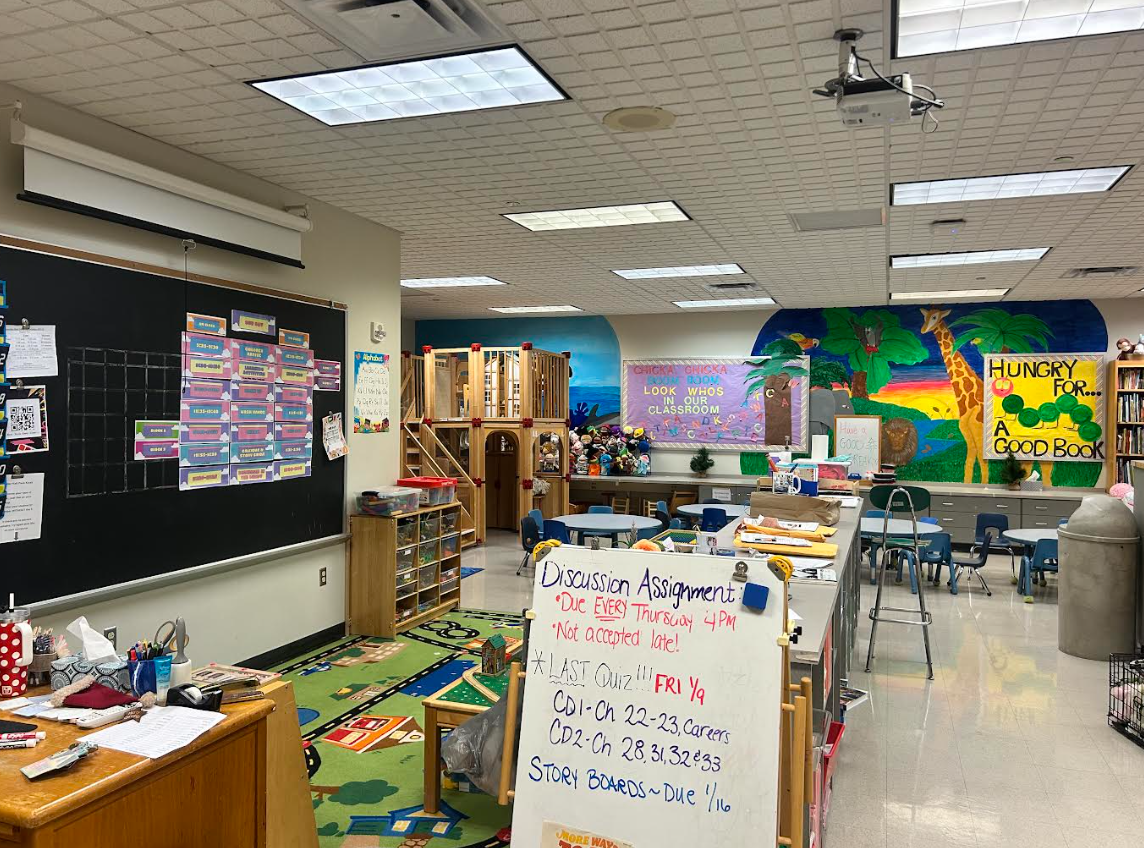
Hands-on learning further strengthens this understanding. In child development courses, students plan lessons, work directly with preschoolers, and observe how children interact. Student Kayla Klepeiss shared that the class helped her realize a lot. “This class has made me think about how, depending on the person, the child acts differently and how hard parenting really is compared to what a lot of people think,” she explained. These real-world experiences help students decide if they want to pursue careers in education, psychology, or social services while gaining life skills they can use anywhere. Kayla does explain that the class comes with more difficulty than she expected. “The most challenging part of the course is the beginning, where we have to take a bunch of tests and learn about the child’s cognitive mind and other things about the child.”
Studying children’s psychology is important because it builds understanding, patience, and empathy. It helps adults support children appropriately, set realistic expectations, strengthen relationships, and identify concerns early. Whether someone plans to work with children professionally or simply interact with them in everyday life, knowledge of child psychology creates a strong foundation for healthier development and brighter futures.