Just as schooling differs around the world, so does the food that is fueling these students. Around the world, many lunches focus on some type of meat, vegetable, fruit, or soup. Many countries, like Sweden, India, and South Korea, also offer school lunches for free. The United States has the National School Lunch Program, or the NSLP, which provides free or reduced-cost lunches to children in need. Nearly one in five children does not have consistent access to adequate food. These programs help to ensure that children of all ages have access to nutritious food, no matter what their families’ economic situation is. Additionally, healthy meals have been linked to higher rates of academic success. According to the International Confederation of Dietetic Associations, Japan uses school lunches as a part of the curriculum. Their lunch is cooked on-site with fresh, whole food ingredients- sometimes from school farms- and eaten in the classroom around a family table. Typical meals consist of milk, miso soup, white rice, and fried pork with fruit and vegetables. These meals are used to teach shokuiku, which is food and nutrition education. Students also take responsibility in the lunchtime routine by setting up tables, helping to serve food, and cleaning up after mealtimes. The objective of this involvement is to create an appreciation for food and healthy eating habits in the long term.
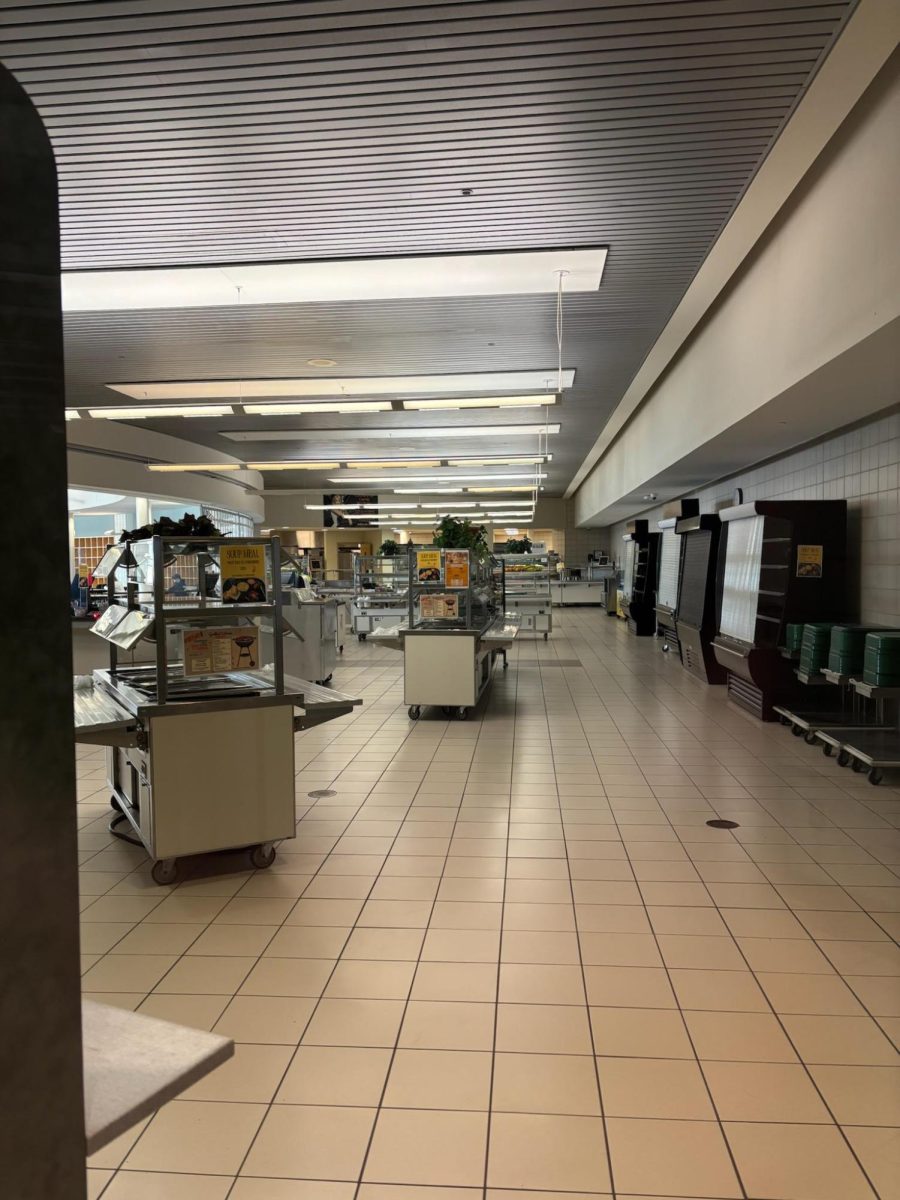
At Pennridge High School, lunch lady Debbie Vaders has been working in the high school cafeteria for nine years. She believes that the school lunch is good for the students, saying, “We have certain guidelines that we have to follow, including fat, sodium, carbs, and vegetables. We need to be sure we have all the food groups in all the meals.” Students have said that the environment in the cafeteria is loud, friendly, and fun. Abigail Smith, a junior at Pennridge, says, “The atmosphere going through the lunch line is very positive, and the lunch ladies have always been super, super nice, even since freshman year…The atmosphere in the actual lunch room depends on the day, but the people who work there really seem to love their job.” Although school lunches around the world look different, they all do the important job of fueling learning and growing students.