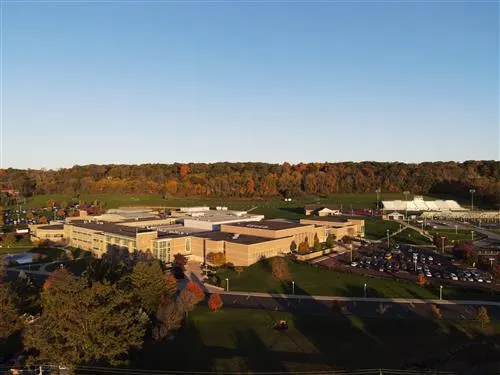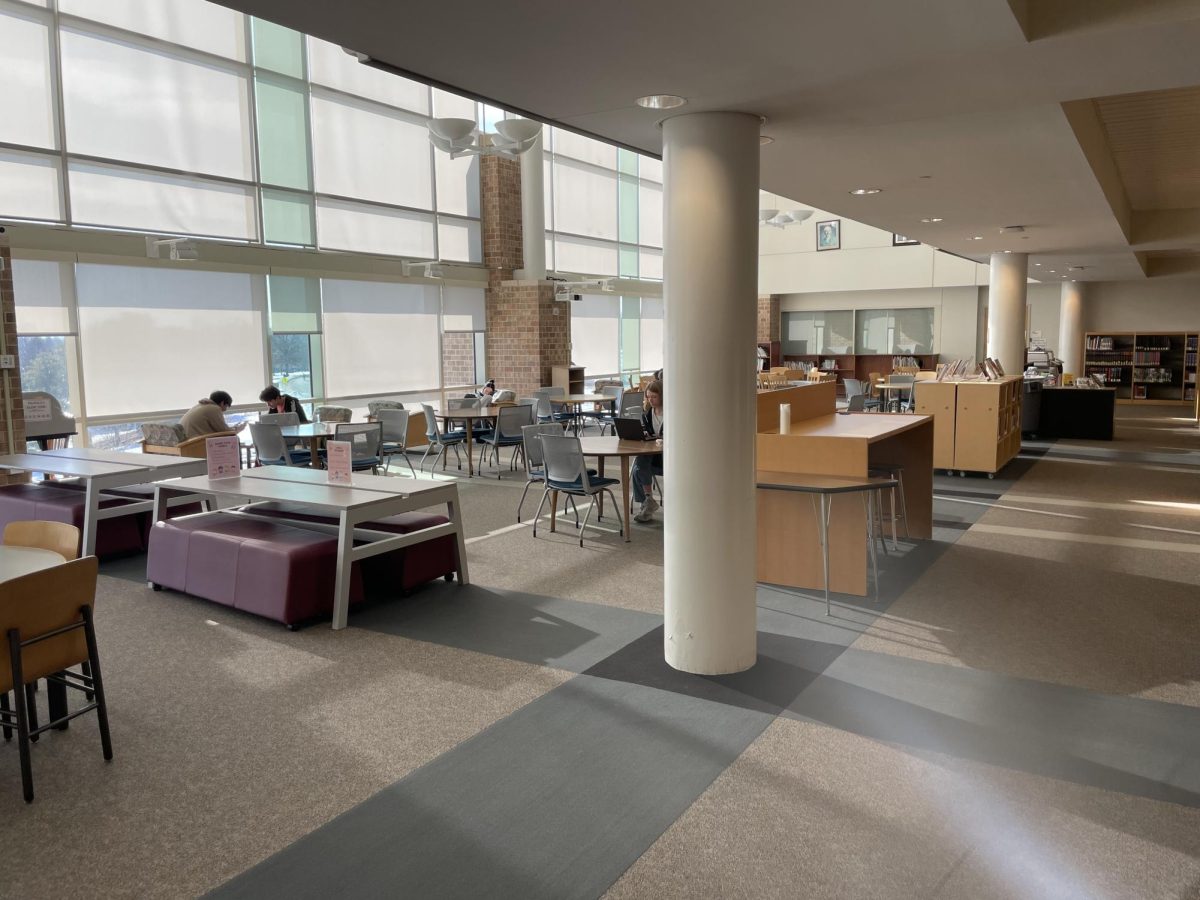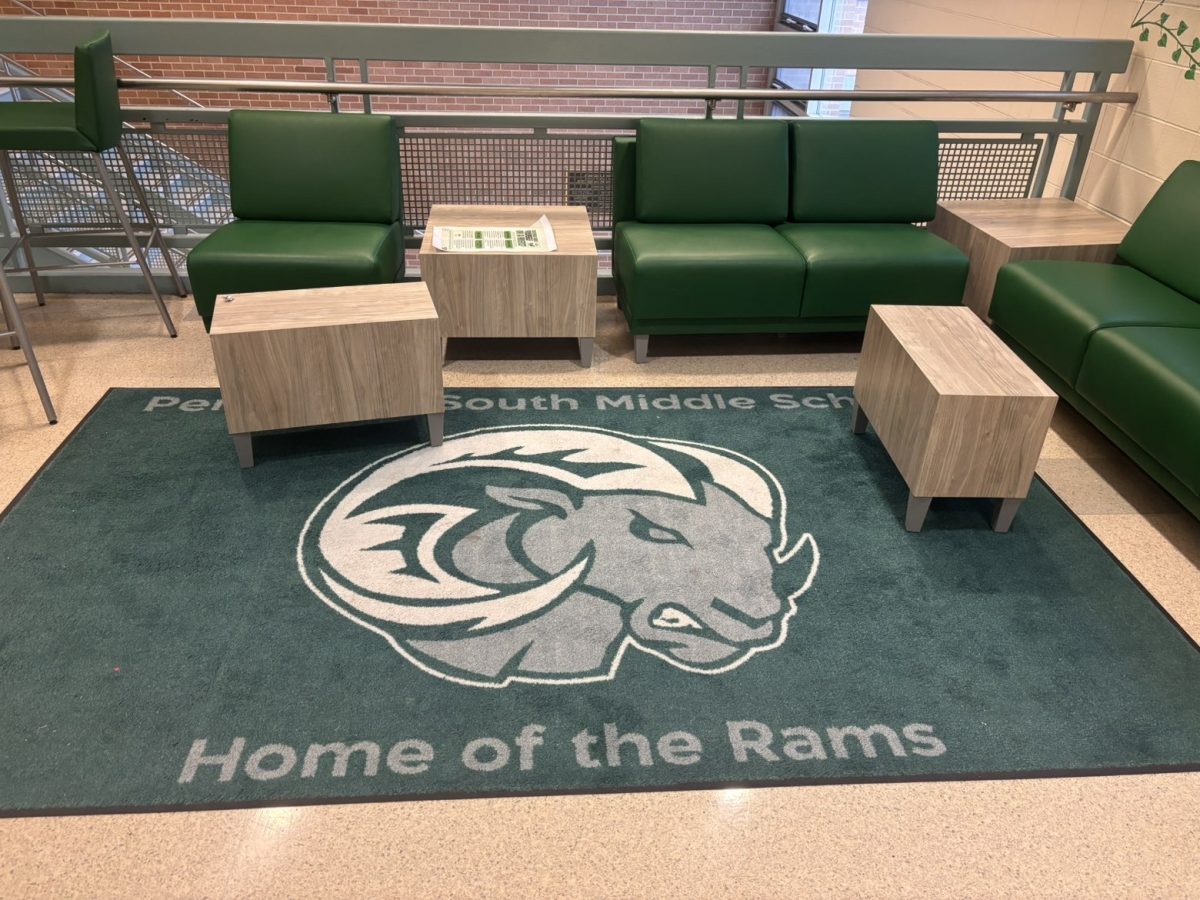
Pennridge School District plans to close Pennridge South Middle School by August 2027, consolidating its students into the district’s two remaining middle schools, Pennridge Central Middle School and Pennridge North Middle School. The consolidation plan, which district officials intend to fully implement before the start of the 2027-28 school year, is based on findings from the district’s enrollment and utilization study. Officials cited declining enrollment projections, aging infrastructure, facility limitations, and increasing capital needs as major factors behind the decision. Built in 1931, South is the district’s oldest middle school and currently has the smallest enrollment, campus size, and internal square footage of the three middle schools.
According to the 2025 utilization study conducted by Breslin Architects, the district’s secondary schools currently operate well below capacity. Central Middle School is utilizing 46% of its capacity with 475 students currently enrolled in a building designed for 1,028 students, while North Middle School is utilizing 51% of its capacity with 529 students currently enrolled in a building designed for 1,030 students. South currently enrolls 386 students, operating at 37% of its 1,034 student capacity. The Breslin recommendation, based on the study’s data, projects that consolidating South’s students into the remaining two middle schools would increase utilization rates at both schools to approximately 69%, closer to the district’s target rate of 75%.
While the proposal is largely driven by enrollment and facility data, many South students, parents, and staff reveal that the impact extends beyond numbers. South Middle School has developed a close-knit school culture that families fear could be difficult to replicate in a larger environment.
During the Pennridge school board meeting on Monday, May 4, Abby McDonald, a current seventh grader at South, described the supportive atmosphere she has experienced at the school. “South is like a home away from home for most teachers and students. If students are struggling, the teachers will try so hard to help them understand and get better,” McDonald said. Lydia Ramer Hunter, whose children attend South Middle School and Guth Elementary School, said her seventh-grade daughter “feels safe and cared for” at South. Describing the school as a “tight-knit place,” Ramer Hunter said the school’s smaller size and supportive staff have contributed significantly to her daughter’s positive experience.
Duane Renner, South’s principal, acknowledged the district’s reasoning behind the proposal while also expressing concern about its impact on the school community. “South is wonderful, and we have worked hard in the last nine years to change its reputation,” Renner said. “I think it would have a negative impact on the district; However, I know it also costs money to run a district, and you need to be good stewards of that money.”
At the school board meeting, Assistant Superintendent Bradley Palmer outlined both the potential benefits and challenges associated with the consolidation plan. Palmer explained that the proposal could provide all middle school students with access to comparable facilities and programming, expanded course offerings and extracurricular activities, and increased scheduling flexibility for intervention and enrichment programs. Financially, the district estimates the plan could save approximately $3.3 million annually while reducing long-term facility investment costs. Officials also noted the potential to generate revenue if the South building is repurposed or leased in the future.
Despite the projected financial and operational benefits, district officials acknowledged several potential challenges, including transportation changes, increased bus ridership, staff reassignment, redistricting impacts, and the loss of a community-centered school identity. While the proposal highlights long-term benefits such as improved efficiency and resource utilization, many members of the South community remain concerned about what could be lost through consolidation. As planning continues, questions remain about how the transition could reshape the close-knit school environment that students and families have come to value.
Sources: