Hiking may look simple by just walking outdoors, but tackling long distances, steep elevation gains, and uneven terrain requires purposeful physical preparation. Being “hiking fit” comes down to three essential elements: aerobic conditioning, strength, and flexibility. Together, these components help hikers move efficiently, prevent injuries, and enjoy the trail rather than struggle through it. Whether you’re training for rolling Pennsylvania hills or high-elevation Utah treks, the right preparation can make all the difference.
The Three Pillars of Hiking Fitness
Aerobic conditioning
Hiking up and down mountains with a backpack is a demanding aerobic activity that relies on strong heart and lung capacity. Aerobic conditioning enables you to hike longer distances without excessive fatigue and helps your body recover between consecutive hiking days. The most effective way to build this fitness is by hiking itself, especially on uneven or challenging terrain while wearing a backpack. When hills or mountains aren’t available, you can stimulate trails by using stair climbing, incline walking, interval training, or cardio workouts like jogging or cycling. Interval training is particularly helpful because it mimics the bursts of effort required during steep ascents followed by brief recovery periods. Gradually increasing both the distance and difficulty of hikes week by week is key. Ideally, your longest training should exceed the length or duration of the longest day of your planned adventure. Training with a loaded backpack, slightly heavier than what you’ll carry on your hike, further prepares your muscles and connective tissues for real trail conditions.
Strength training
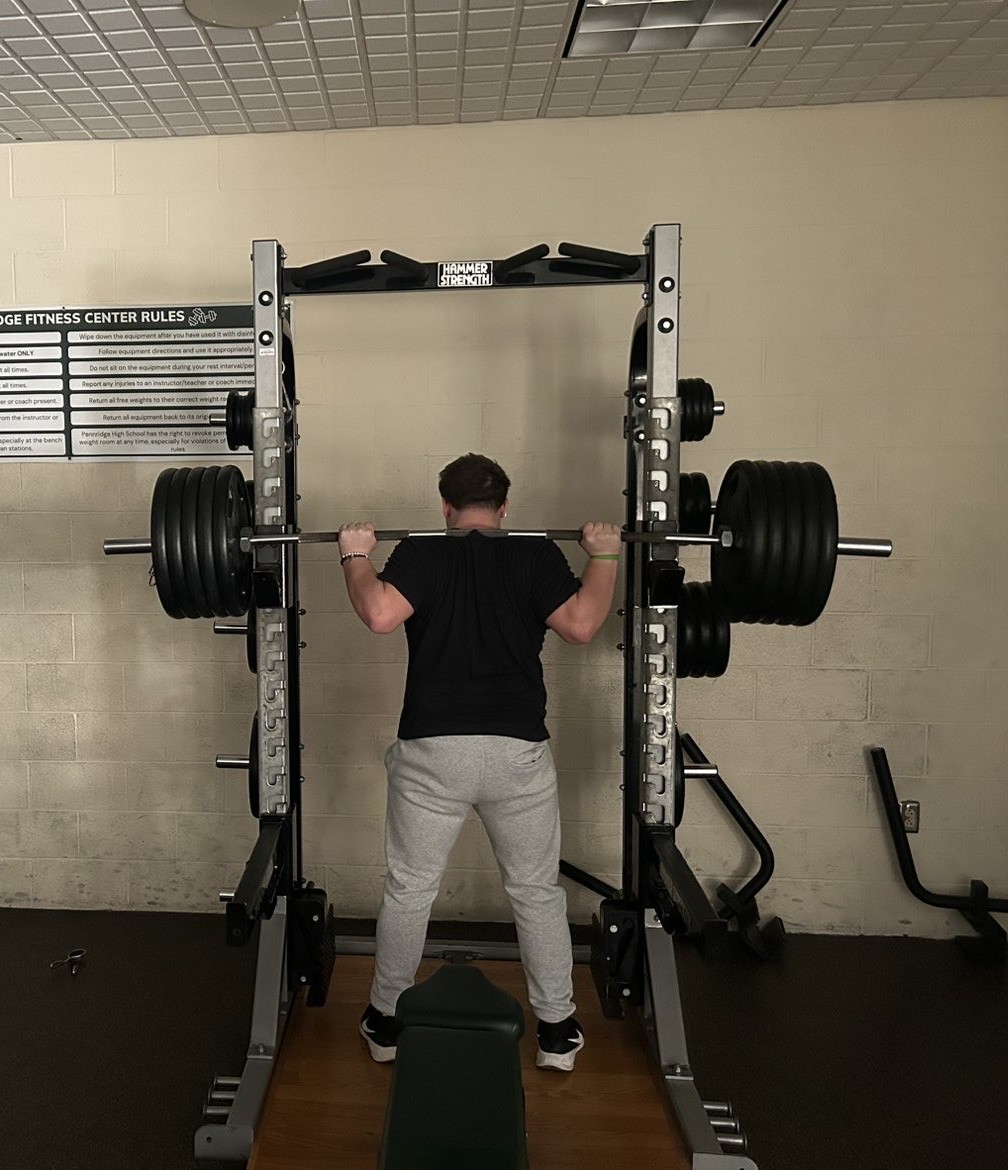
Strength is essential for both climbing uphill and safely descending downhill, which places significant stress on the legs and joints. Strong muscles absorb force more efficiently, improve stability, and reduce injury risk. A structured strength training programoften begins with a preparatory phase, focused on learning proper movement patterns such as squats, lunges, and hip hinges. From there, hikers move into a strength phase where additional resistance is added to build what’s known as strength reserve. This reserve is the difference between your maximum strength and the strength needed for each step, which makes repetitive uphill hiking feel more manageable.
Many effective hiking-specific exercises can be done at home without equipment:
- Wall sits: excellent for quad strength, especially useful during long descents and for hikers with knee concerns
- Calf raises: strengthen ankles and calves, reducing the risk of rolling an ankle on uneven ground
- Squats: the foundation of leg strength, targeting multiple muscle groups at once
- Step-ups and Lunges: Build unilateral leg strength and closely mimic hiking movements
- Core Exercises: improve balance and help support the load of a backpack
- Stronger legs, glutes, and core muscles allow hikers to move more efficiently and stay resilient during long, demanding days on the trail.
Flexibility and Balance
Flexibility plays a crucial role in injury prevention. Regular stretching keeps muscles mobile and reduces strain during repetitive movements. Stretching should always be done carefully, never vigorously, first thing in the morning, never with bouncing motions, and never to the point of pain. Controlled, pain-free stretches paired with deep breathing are the safest and most effective approach. Balance is equally important when navigating rocks, roots, mud, and narrow trails. Balance-focused exercises and activities like yoga improve stability, coordination, and confidence on uneven terrain.
Mental Preparation, Nutrition, and Gear
Physical fitness is only part of the hiking experience. Mental endurance helps hikers manage monotony and fatigue during long days. As Samanta Ozelis, a frequent hiker in Pennsylvania, explains, “hiking with friends, setting small goals, and enjoying the scenery make challenging hikes feel more manageable.” Matthew Le, who hikes in Utah’s high-elevation terrain, emphasizes “staying present and remembering why he enjoys hiking to push through tough sections.” Nutrition also plays a major role. Both hikers prioritize balanced meals and carbohydrates and protein before hikes, energy-dense snacks during hikes, and protein afterward to support recovery. Finally, proper gear matters. Lightweight backpacks and supportive boots reduce fatigue, prevent injuries, and allow hikers to focus on the experience rather than discomfort.
The Payoff
Training for hiking improves cardiovascular health, strengthens muscles and bones, enhances balance, and supports mental well-being. With the right preparation, hikers finish long trails tired but accomplished, feeling strong, capable, and proud of what their bodies can do. Whether you’re hiking gentle local trails or tackling major elevation gains, smart training turns hiking froma challenge into an adventure.