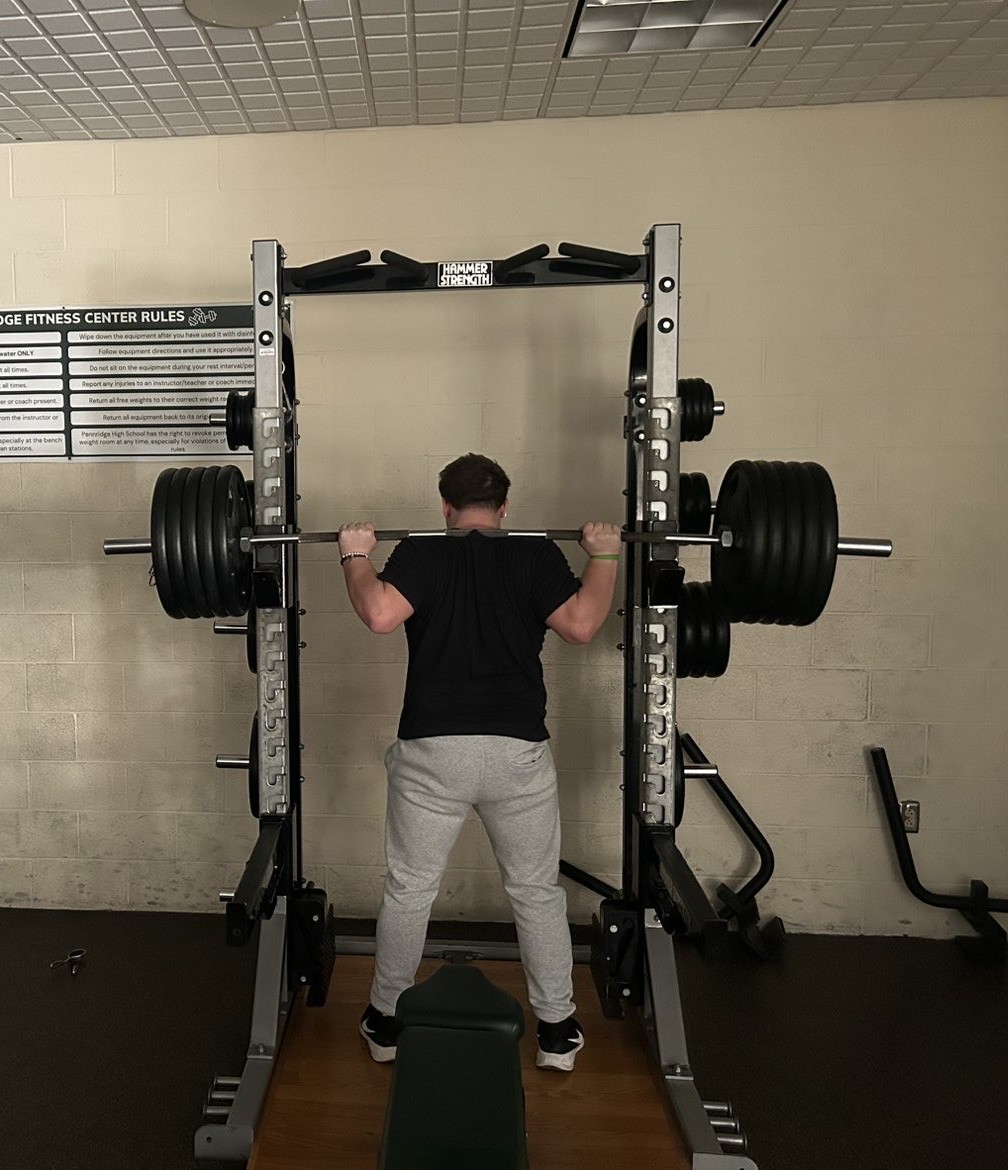
Physical training can involve a variety of exercises, including weightlifting, running, swimming, yoga, and more. During this variety of exercises, there are typically five zones that one’s heart rate can reach, depending on the difficulty of the workout, with the first zone being the most comfortable and the fifth the most strenuous. According to the VO2 Master, the first two workout zones comprise 50-70% of the maximum heart rate, where the person working out can maintain the exercise for a prolonged period while in a conversational state. The third and fourth zones make up 70-90% of the maximum heart rate, which is where the workout becomes more exerting and begins to push one’s limits without reaching maximum intensity. The final zone is the fifth maximum heart rate zone, which is when the workout is pushing one’s absolute limit and is only sustainable for a short time.
Each of the zones aligns with the Commons Social Change Library Learning Zone Model by Maxwell Smith. When trying a new task, there are three cognitive zones that one can go into: The Comfort Zone, The Learning Zone, and the Alarm Zone. The comfort zone is what your normal routine would be, where you are familiar and have zero anxiety, often considered a safe place. The learning zone is when abilities begin to be stretched, with new challenges where one may feel uncomfortable at first, but begins to grow within that new optimal anxiety zone. The last zone, the panic zone or sometimes referred to as the alarm zone, is when someone is pushed out of their comfort zone too far, often feeling overwhelmed and stressed, which, unlike the learning zone, blocks out any growth through the new experience because the stress is too immense.
Applying each of the cognitive zones to the physical workout zones, the set matches with the zones, with 1 and 2 being the comfort zone, 3 and 4 being the learning zone, and the final fifth zone being the panic zone for some. The first zone falls under the comfort zone because, typically, this would include the warm-ups and cool-downs while working out, where the exercise is routine and familiar, without developing any new skills. Pennridge Men’s Track and Field Throwing Coach Riley Grourke, who has experience coaching high school students how to lift, explains his comfort zone when lifting as “sticking to what I know and am good at…exerting minimal energy to not break a sweat.”
The third and fourth heart rate zones describe the learning mental zone, where one develops a new skill by feeling uncomfortable at first but pushing through the challenge to grow. TV host Brian Tracy stated, “You can only grow if you are willing to feel awkward and unforgettable when you try something new,” which applies to the learning zone when working out, as the zone often entails trying new workouts to increase one’s heart rate more. Another way to stay within the learning zone is “to kick your workouts up a notch,” as Elite Sports Club notes when describing how turning a simple exercise that one finds too easy into a more difficult version of the same exercise can help them stay outside of their comfort zone.
Lastly, the final heart rate zone falls under the panic zone due to some athletes experiencing panic attacks when pushing themselves to their maximum limits. Working out is sustainable for many when reaching for a new personal record, such as lifting a new record of weights during an exercise, but in some extreme cases, an athlete can feel overwhelmed by the workout and experience a panic attack as a result, where they are no longer growing by pushing themself that far. The feeling of being overwhelmed stems from the increased heart rate and the breathlessness that one can experience when working out to their maximum. This feeling can mimic the panic state that one experiences when they are feeling anxiety and, in response, feel fear. The heavy breathing can also cause their carbon dioxide levels in their blood to plummet, causing dizziness or hyperventilation that can also spike panic. Pennridge Men’s Track and Field Coach and frequent lifter, Ty’Shawn Hopkins, explained how his routine for hitting a PR entails breathing techniques to stay calm and have a clear mind, describing how “deep controlled breaths are very important to lifting properly.” The concept of keeping one’s breathing steady and controlled creates a calmer environment that is easier to grow and develop new skills, especially as one’s heart rate increases.
By knowing each heart rate zone and how they correlate with each mental zone, a beginner working out can have more realistic goals and stay safe to better ensure no overexertion. One can start in the lower zones and then work their way up to the higher ones as they get more adjusted to their capabilities, utilizing both their knowledge about the heart rate zones to know how intense the workout is for their body specifically, and thier knowledge of the mental zone that corresponds to ensure that they are not under- or overtraining through their progress within the gym.
Sources:
Training Zones: How Deeper Data Helps You Reach Your Fitness Goals Faster
https://share.google/QtLO5rQApAKTyeIwG
https://ezliteclubs.com/breaking-barriers-fitness-comfort-zone/