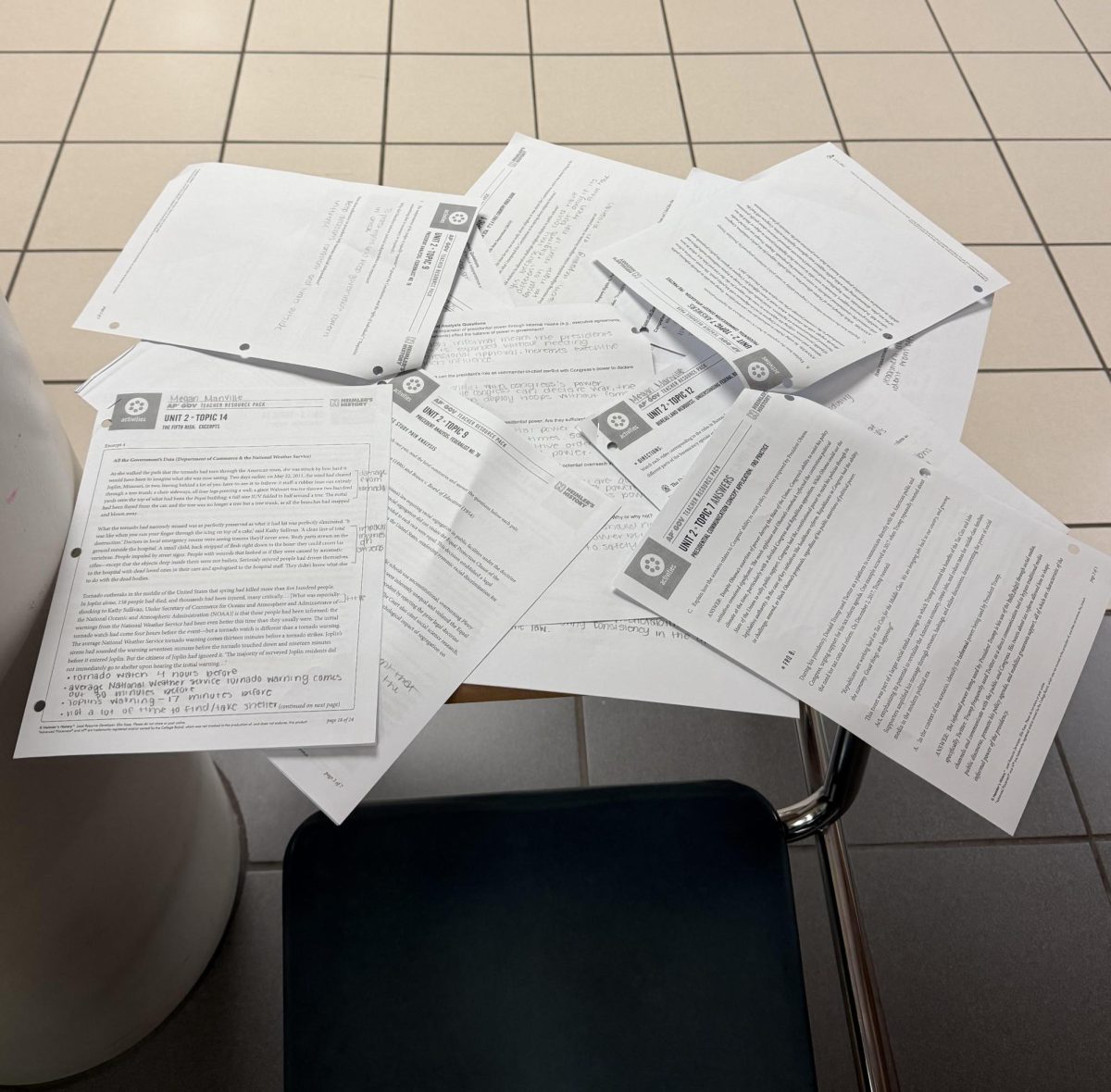
Homework has been defended as necessary to help students achieve academic success. Supporters argue that it reinforces skills, builds discipline, and keeps parents informed about what their kids are learning in school. Many educators still believe that homework is important. Adam Tatar, an accounting teacher at Pennridge High School, explained that, especially in classes like math, “most of the work gets done in class, but homework helps when a student needs to practice a skill independently.” But the research is not nearly as detailed as tradition suggests, and the reality for students is even clearer: homework is doing homework harder than good.
A Stanford study led by education expert Denise Pope directly challenges the assumption that homework is inherently beneficial. “Our findings on the effects of homework challenge the traditional assumption that homework is inherently good,” Pope wrote, noting that too much work quickly “eliminates its effectiveness” and leads to stress, burnout, and a loss of sleep. Studies from the Human Restoration Project echo this, reporting that “homework is rarely shown to have any impact on achievement,” and that the small academic gains it may offer “ are not worth its negative trade-offs”.
Those trade-offs show up everywhere in students’ lives. Long hours of work leave teens overwhelmed and rushing, where “quality comes second because it’s so overwhelming and students just wanna get it done.” Family time shrinks, extracurriculars get dropped, and sleep becomes optional. Teachers see this firsthand. As Richard Hampson explained, homework becomes harmful “when there are backlogs, and there is too much of it, students don’t understand why they are doing it, and there is a sense of confusion before even doing it.” When homework creates stress before it even begins, it has lost its purpose entirely.
The impact doesn’t stop at stress. Students with more resources, quieter homes, tutors, or parental support often complete homework more effectively, while others fall behind for reasons unrelated to ability. One study found that homework-related conflict was “200% more likely in families where parents didn’t have a college degree.” The work that was supposed to level the playing field ends up tilting it.
Teachers know this imbalance exists. Adam Tatar noted that younger students, especially those without reliable access to technology, “aren’t necessarily doing the work themselves,” which raises questions about who homework is actually helping. Richard Hampson, who intentionally limits assignments, acknowledges that homework must be “directly compatible with expected knowledge and material,” or it loses its value.
Even more ironic is how homework increasingly defeats its own purpose. A recent survey showed 89% of students admit to using AI for assignments, meaning the work meant to reinforce learning often becomes an exercise in finding the fastest way to finish. If homework encourages shortcuts instead of understanding, is it really achieving what schools claim it does?
Supporters say the answer is to assign better homework. But meaningful learning doesn’t have to happen at home. Both Adam Tatar and Richard Hampson emphasized the importance of classroom engagement instead. Adam Tatar pointed out that if homework disappeared, teachers could use “more small group instruction or project-based learning,” and that students learn more effectively when they “get to choose topics themselves rather than just being told what to do.”
The truth is simple: homework is not the educational benefit it once was. It often causes stress, inequity, and resentment, while offering minimal academic benefit. Schools should shift toward more in-class practice, interactive learning, and reasonable workloads that end when the dismissal bell rings. It’s time for students to be able to do things when they get out of school, instead of doing more schoolwork to just wake up the next day and do the same for seven hours.