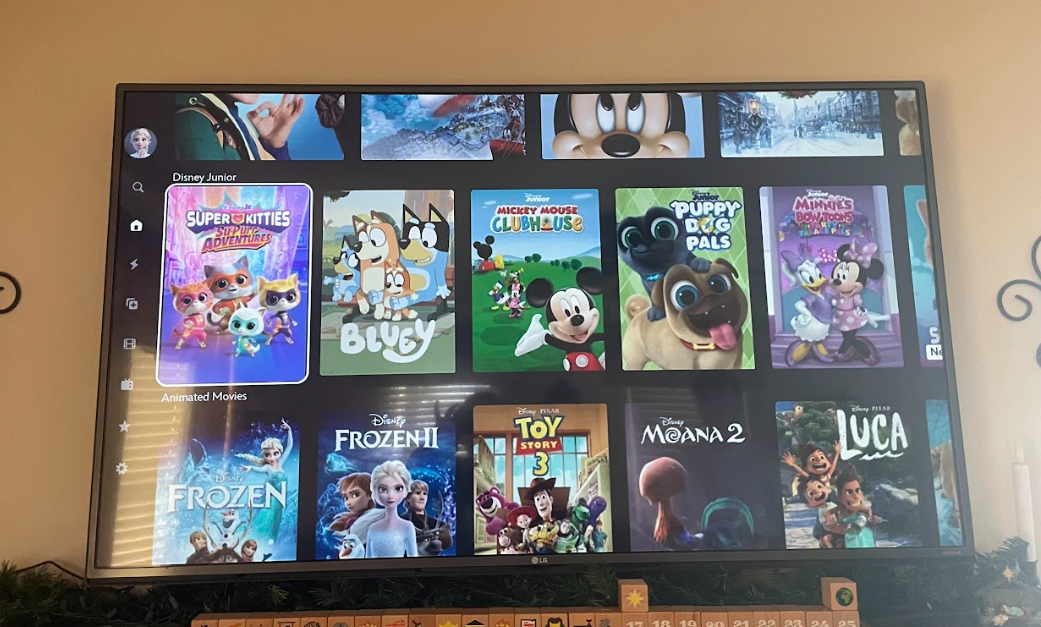
With the rise of television becoming a common source of entertainment for children and pre-teens, there has also been an ongoing debate surrounding the topic of whether or not these shows and channels should be broadcast and shown to young children and toddlers. Some argue that select channels can, in fact, be educational and beneficial to watch and learn from, such as Baby Einstein, a production company created by Julia Aigner-Clark in 1996 responsible for the production of various educational home-video programs, DVDs, and more, all created for the purpose of educating infants and toddlers under three years old in an entertaining and engaging way.
Parents and adults on the opposing side, however, believe that in recent times there has been a shift away from education to entertainment, with a common reference to shows such as SpongeBob SquarePants, with some parents even going as far as refraining from allowing their children to view these channels and broadcasts. Critics argue that exposing children to TV, whether it is educational or not, is not beneficial and that children under the age of two should not watch it at all. According to children’s health experts and a 2004 study by the Children’s Hospital and Regional Medical Center in Seattle, Wash., concluded that children under the age of two who watch an hour of TV each day increase their chance of developing attention deficit disorder by 10%, and each additional hour increases this chance by another 10%. There has been a rise in the belief that children should be learning through the peers around them, as well as environmental exploration, which offers children a much more effective “hands-on” learning experience.
Brenda Soltis, a special education assistant, stated that she thinks there should be a “Limit on screen time of any kind, but also withhold the use of phones, video games, and iPads until a later age. Let the kids grow until they can be rewarded.” When asked how parents should maintain the goal of education and interaction with a child’s environment while they are still in early developmental stages. Soltis believes that television “interferes with playtime and social interaction; they need to be active and talking to others. Being secluded from the world isn’t the most ideal condition to live in.”
Some parents share the common belief that as long as television is monitored and limited, it can be an excellent resource for children to learn and develop important cognitive skills that help them drastically later on in life. In an interview with Frederick Zimmerman, the author of the 2005 Archives of Pediatrics and Adolescent Medicine study, said that TV is neither good nor bad, but rather “It’s how you use it” that determines if it is a problem or not. Studies and research on the effects of television on children’s brains and minds are often poorly reported by media sources, such as Zimmerman’s 2005 study, stating TV can be beneficial to children aged three to five, but this was often ignored in favor of the belief that television has predominantly negative effects on children.
Lauren Ogden, psychology major and mother states her belief that parents banning or placing excessive restrictions on children’s programming would only serve to create the opposite outcome desired, instead of helping children to be more active and educated, it would create a “Rebellious urge in the child to defy what you said, and watch it anyway, like if you had banned TV shows like SpongeBob.” Ogden also believes that everything should be “Used in moderation”, claiming that “It can be used as a tool or aid, but it should not always be used as such.”
In the end, whether or not a child should be presented with technology and television at such early ages will be a continued debate among parents and guardians, especially with the rise of things like iPads, mobile phones, and AI technology, and perhaps the most obtainable solution is to remember that everything is good in moderation.
Sources:
https://icof.infobase.com/articles/QXJ0aWNsZVRleHQ6MTU5ODc=