Organ donation is a well-known act of donating an organ to someone in need to save their life. However, not many people are aware of the details. An organ donor is someone who has decided to donate their organs. When you register, you are volunteering to give your life-saving organs to a transplant recipient when you pass. Most donors provide kidney transplants, but there has been an increasing number of people who donate a segment of their liver. Many people are in favor of being an organ donor, but not all are registered. Awareness must be brought to the subject
Anyone can be an organ donor. There are living donors and deceased donors. Living donors are individuals who are usually family or friends, but can also be a stranger who wants to help someone by donating an organ. Deceased donors provide organs after brain death, with the family that consents to the donation. Multiple organs can be donated with deceased donors, such as the heart, lungs, kidneys, liver, and pancreas. There are a few key differences between the two, such as timing. Living donation is scheduled, while deceased donation is urgent, and their organs often work better and longer.
Donation affects more than just the donors and recipients. It also affects the families and friends who love and support those in need of an organ. More than 100,000 people are waiting for an organ transplant. As complex as the process of organ donation is, it is a simple act to register to be the one who gives the gift of life to another.
Different social issues and important discussion topics have inspired people to find new and innovative ways to raise awareness about said topics. Organ donation is a life-saving process that not only affects the receiver but everyone in their lives as well. Despite the importance of donation, there is a lack of awareness about what it’s really about. Mikaela Fabey, an organ donor, says, “I know a little about organ donation.” She described her opinion on the lack of awareness, saying, “We need more discussion.”
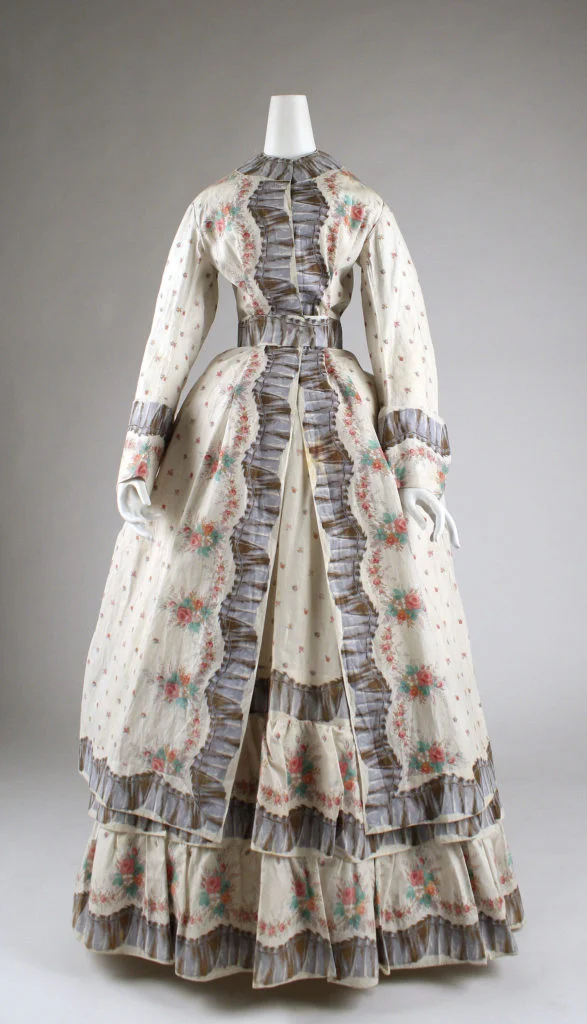
Fashion is an industry that gives clothing life on the runway. Trends and styles change the way society presents itself through expression. Alongside creating hobbies and inspiring creativity, fashion can be used for so much more than just appearance.
Runway collections have been used to bring awareness to social issues like racial injustice, climate change, and immigration. So why not bring that into the world of healthcare? Fabey expressed that a runway collection “could be an interesting and new way to raise awareness.” O’More College of Architecture and Design has already begun to tackle the idea. In 2023, they hosted the annual “Show with a Purpose,” a fashion show dedicated to making a change. Student designers paired with both people who lost loved ones who ended up donating, and people who had received donations themselves. The results were collections that represented the lives of those lost as well as the healing process.
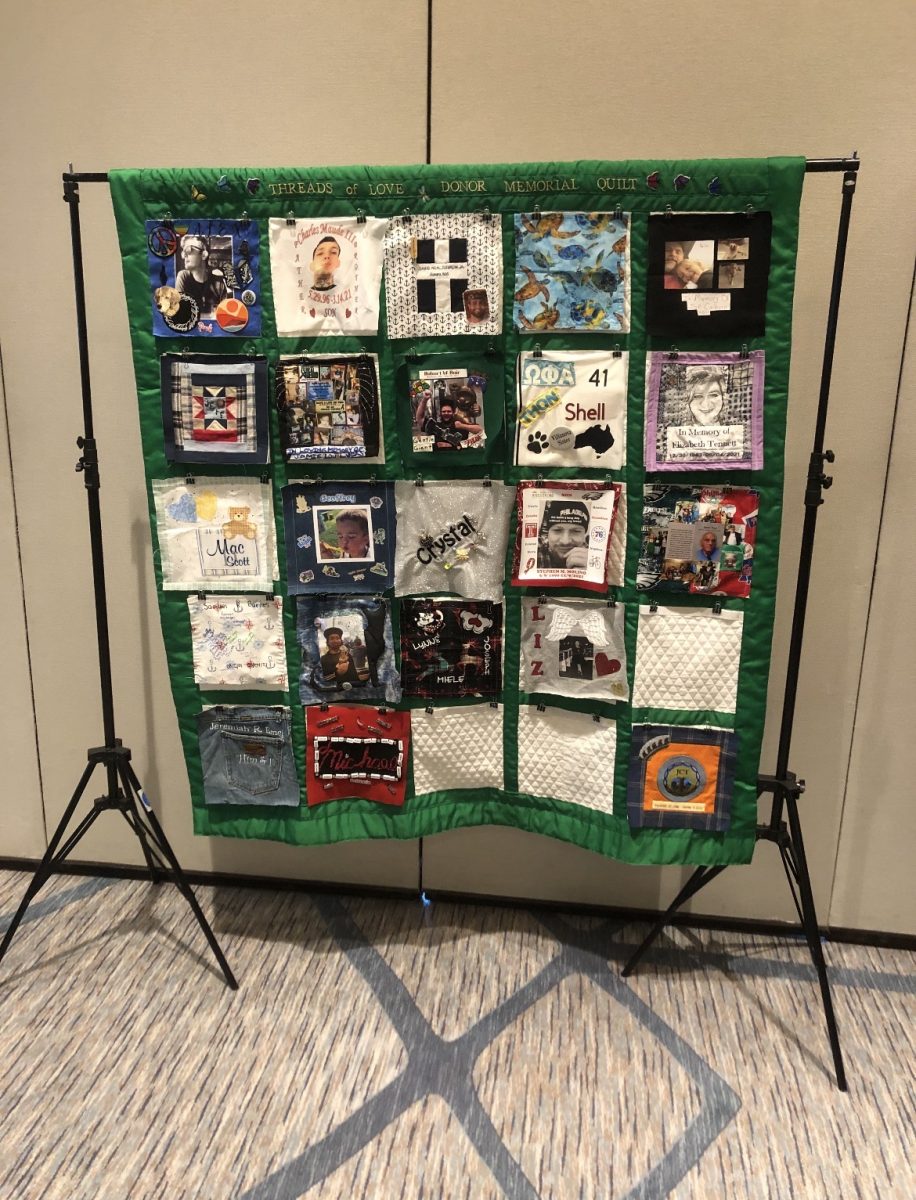
Clothes sewn by needles and intertwined by hand with emotion, pain, healing, and the beauty of human connection are the perfect way to represent the importance of helping each other. Organ donation is an intricate process, but beyond all the hardships and battles, it’s a way to give people a second chance at life. Fashion, a common yet essential part of culture, has been around for centuries. Even so, it proves time and time again how timeless the industry can be by providing ways to not only make those who rock the collections feel good physically, but also mentally, by using it for good. Two seemingly opposite industries can easily be linked by community and pride. It’s up to the cloth and the hands that sew to educate the world on the life-saving process of organ donation.