The conflict between the United States and Iran escalated dramatically in February 2026 when the U.S. and Israel launched military strikes across Iranian Cities. This act not only marked the beginning of a new chapter in U.S.-Iranian relations but also triggered repercussions for global oil supply and domestic air travel. The Strait of Hormuz, a vital chokepoint through which a substantial portion of not only the United States’ but also the world’s oil is transported, became central to this disruption.
On 28 February 2026, the United States and Israel launched military strikes against Iran, proclaiming a need for regime change. In the first wave of attacks, at least 175 individuals, many of whom were women and children, were killed along with the Supreme Leader of Iran, Ayatollah Ali Khamenei. The strikes escalated tension in the region, leading to thousands of casualties and the displacement of hundreds of thousands of people. The U.S. government cited Iran’s nuclear ambitions and human rights violations as justification for the military action, yet a 2025 Defense Intelligence Agency assessment indicated that Iran was not a credible threat, lacking the long-range missile capability to reach the U.S. Robert Cousionu, a history teacher at Pennridge High School states “I don’t understand the concern, there has been data to show that their nuclear engagement isn’t something to be concerned about”
The economic consequences of the war have been profound. Experts at the Penn Wharton Budget Model estimate the direct financial cost of the conflict at around $65 billion. This figure is comparable to the estimated expenses required to extend Affordable Care Act subsidies for two years. Notably, the U.S. is spending approximately $220 million daily on military operations in the region, diverting funds away from pressing domestic needs.
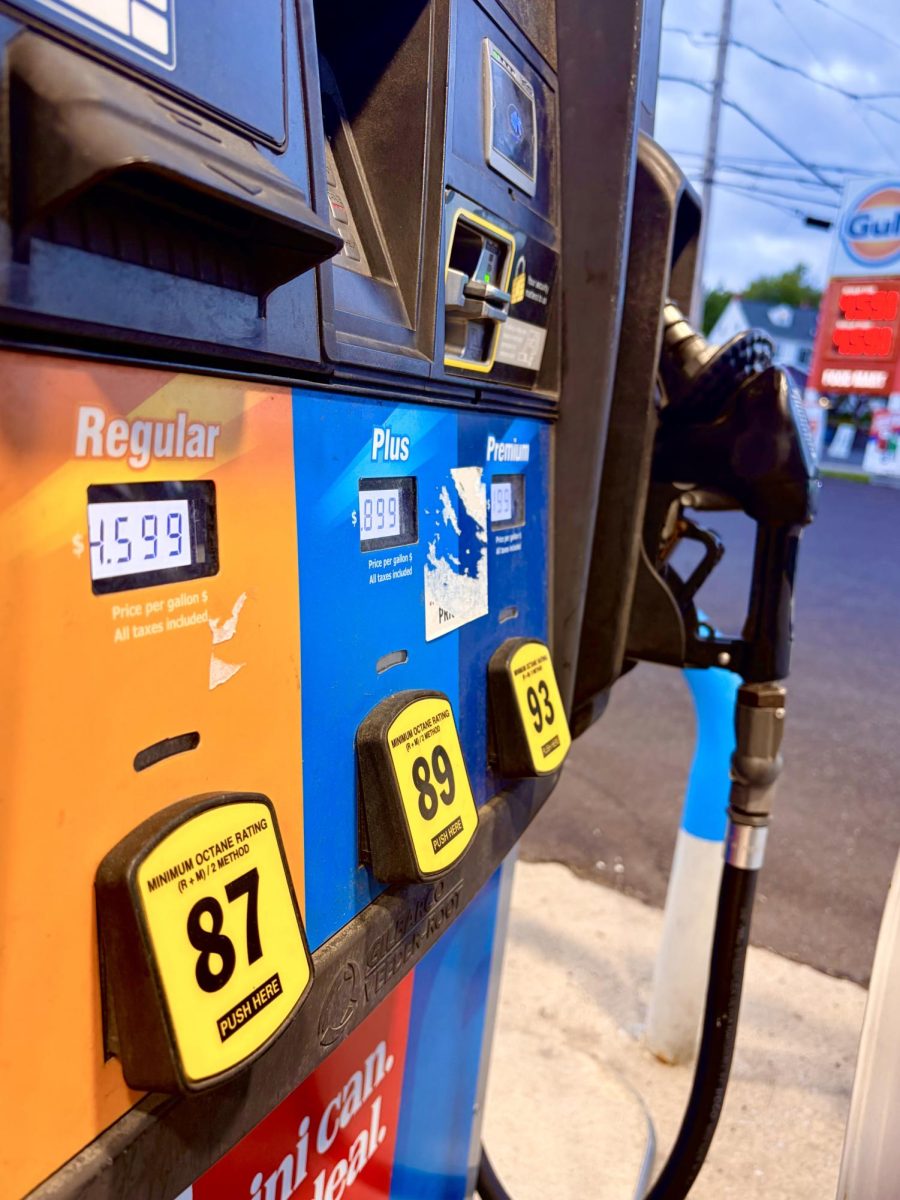
The Strait of Hormuz, a critical passage for global oil shipments, has faced significant disruptions due to military activities in the region. With a large percentage of the world’s oil supply traveling through this narrow waterway, any disruption has immediate and far-reaching effects on oil availability and pricing. In response to the upheaval in oil supply, gas prices have surged dramatically. Since the onset of the war, the national average price of gasoline has increased by $1.50 per gallon, reaching $4.50. This price spike represents a 38-cent increase in just one month, contributing significantly to the inflationary pressures facing U.S. consumers. Rising energy prices accounted for 40% of overall inflation in April 2026.
Additionally, the correlation between oil prices and jet fuel costs has direct implications for air travel. As oil prices rise, airlines face significant increases in operating costs, which they typically pass on to consumers. Reports indicate that airfare has jumped by 2.8% in just one month and is over 20% more expensive compared to the previous year, making travel less accessible for many. Steven Schwendy, a worried American citizen, states, “It’s unfortunate for the people who lost their jobs due to the closing of Spirit Airlines, especially in the current job market.”
Overall inflation has surged to 3.8% year-over-year as of April 2026, marking the highest level since 2023. The core inflation rate, which excludes food and energy, stands at 2.8%, reflecting significant price pressures even in the absence of volatile energy costs.
The conflict in Iran has profoundly impacted U.S. oil supply and domestic air travel, leading to increased gas prices and broader economic challenges. As inflation continues to rise and public sentiment turns increasingly against foreign military interventions, the long-term implications of the war have yet to be seen. Balancing national security interests with the economic realities facing American families will be crucial in the months and years to come.