Endanger specifies are vanishing at an alarmingly fast rate, and the consequences are incredibly visible. As species are edging towards extinction, and rivers are choked with pollution, as we continue on with our vast consumption of the Earth, we don’t have much longer until the change is irreversible. Current conservation groups warn us that more than 47,000 species face the threat of disappearing forever, and the number of endangered species is larger.
Some of the world’s rarest animals on earth seem like they are characters from a fantasy novel, and an example of this is the Sunda pangolin. This nocturnal mammal is wrapped in armor-like scales made of the same material as human fingernails, but it is also so heavily trafficked that it has become a symbol of wildlife crime. The tight pinecone-shaped ball the pangolin makes protects it well from leopards, but not against people who can simply bend down and collect it. Just like this, the ghostlike Amur leopard can stalk prey up to three times its size, but it cannot outrun habitat loss or a gun.
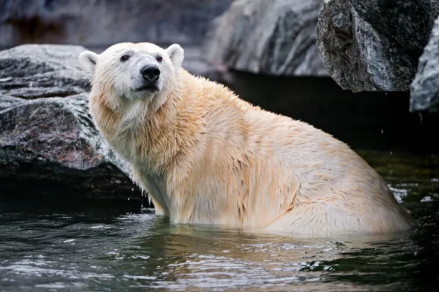
For student Daniel Trzcinski, the words “endangered species” instantly bring to mind the image of a polar bear stranded on melting ice. “Because global warming is an issue that affects not only the polar bears but also us,” he said, emphasizing that the crisis is not distant or abstract. “If the issue continues, not only the polar bears will suffer, we will too,” he added, drawing a straight line from vanishing Arctic habitats to human lives and futures. Trzcinski believes the biggest threats beyond habitat loss are “oil drilling and mass manufacturing because a lot of resources are being taken for that from the animals.”
Teacher SueEllen Thomas sees the problem every time she thinks about how land is used. “When I think of Florida, for example, that is one big wetland area, but look at all the land usage and habitat loss,” she said, pointing out how development can steamroll ecosystems when planning does not consider wildlife. She connects it to Pennsylvania’s own history, noting, “Pennsylvania used to be 100% forested and now look at the land use and loss of habitat,” a reminder that the forests once covering this state are now highways, housing developments, and parking lots.
Both of them pointed to the quiet but powerful role of everyday human actions. Trzcinski said young people can help by “switching away from plastics and using safer alternatives for the environment,” arguing that knowing “the amount of species at risk” changes how people see their own habits. He warned that “lots of things we do every single day that we don’t realize are detrimental to the environment,” from buying single-use plastics to supporting industries that damage habitats. His big policy idea is bold and specific: “Invest a lot of money into nuclear energy, the safest energy out there… Take money away from fossil fuel industries like oil drilling and others.”
The same message is echoed through numerous articles and interviews: Endangered species don’t have much time left, and if we can do something, we have to do it now. Whether it is a polar bear on melting ice or a bee visiting a backyard garden, the choices we make in the classroom, town halls, and household will help decide which species still exist.
Sources:
https://www.iucnredlist.org/
https://www.wwf.org.uk/learn/wildlife/endangered-animals
https://kids.nationalgeographic.com/animals/mammals/facts/amur-leopard
https://www.worldwildlife.org/species/tiger/sunda-tiger/
https://www.worldwildlife.org/species/gorilla/mountain-gorilla/
https://kids.nationalgeographic.com/history/article/endangered-species-act