Art is an easy way of expressing oneself. It brings people together and allows the creators to have a sense of peace in their busy everyday schedules. There is so much to art that most may overlook; the history of it is so fascinating that it impacts society. Creativity itself is a beautiful part of life, and can unite our community. It can also raise attention to causes like cancer, vitiligo, and organ donation.
Organ donation is the selfless act of donating organs to someone in need of them to be in a better living condition. Not many people are aware of it and how impactful it really is. This is why something like art is a good example of expressing and bringing awareness to certain causes like organ donation. Anyone can be an organ donor, whether you are a living donor or a deceased donor. Living donors are people who are usually family or friends who donate their organs while living. You can actually live with one functioning kidney, so if you donate a kidney while alive, you are still functional to live healthily. A deceased donor provides organs after brain-death with consent from the family to donate. Multiple organs can be donated from a deceased donor, such as kidneys, lungs, heart, liver, and pancreas, but what exactly brings art and organ donation together?
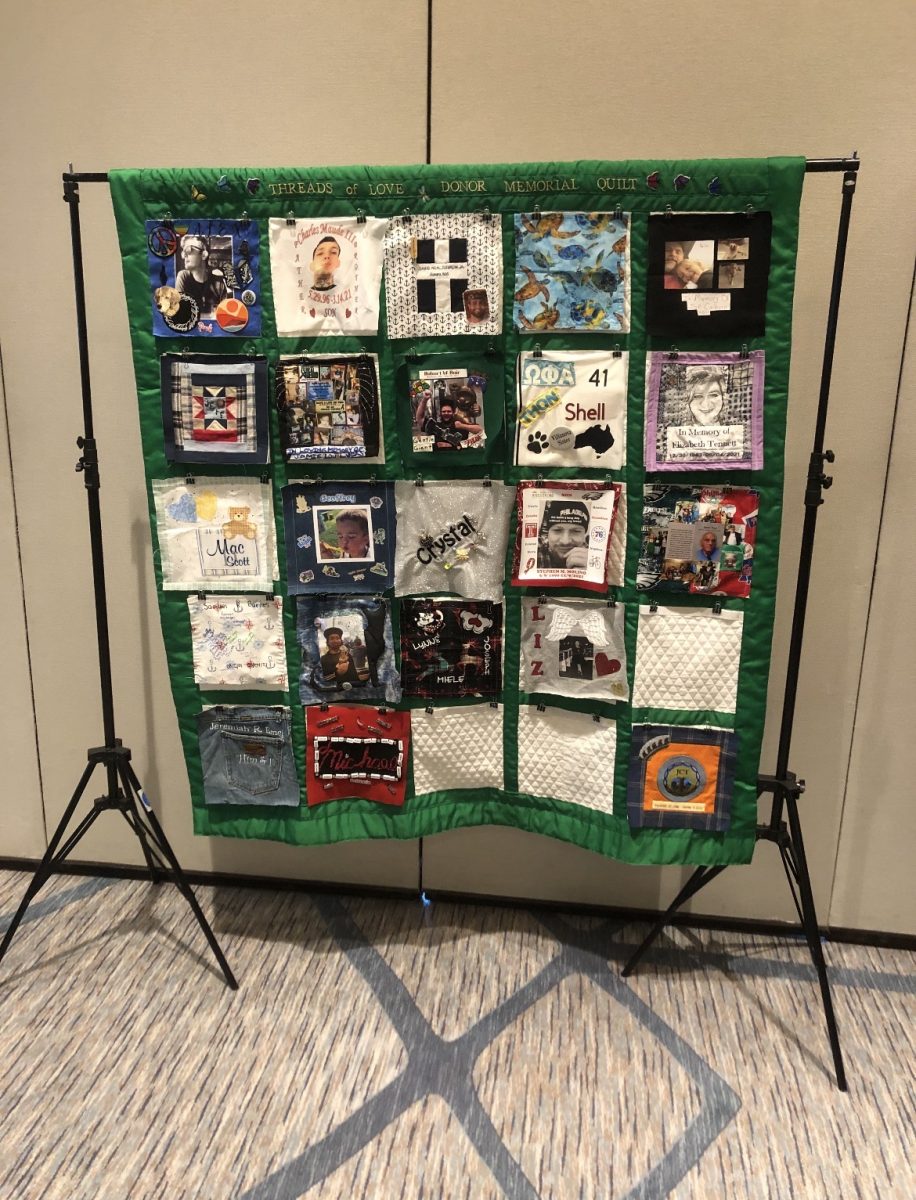
Dale Tennett, the owner of Tennett Manufacturing in Telford, PA, lost his wife, Elizabeth Tennett, in May of 2021 due to Covid. She donated a kidney after she passed and saved a man’s life who was near death. He says that organ donation is very special to him. Before Elizabeth passed, they had already been a part of the Gift of Life program. One of their personal friends had lost a son and donated his organs. Elizabeth’s sister also donated some of her organs after she passed. “Every time we do some type of event or anything with the Gift of Life, it’s one way for me to still stay in touch with Lizzie,” Dale said. He walks loud and proud for his wife and to share her story when participating in events that the Gift of Life offers. Organ donation isn’t typically talked about until it’s needed for someone. Dale states that, “Unfortunately, the thing is it doesn’t normally come to people’s minds until something happens in their life where they personally need a transplant, or a friend or family member needs a transplant.” To help bring awareness to organ donation, he thinks that art is a good way to communicate many things. The t-shirts that are worn in the community of Gift of Life have symbolic logos, which, Dale says, “When you run into other people, you know what the logos mean.” He interprets that all art has meaning behind it and says, “If you were to create an art piece, possibly a drawing of a heart, you think of life.” Organ donation creates life for people, and to keep that idea of life living on, people create art to represent that.
But how does art bring attention to organ donation? There’s a simple, yet meaningful reason shared by Brent Koch, an art teacher at Pennridge High School. He explained, “People are naturally drawn to visual stimulation.” Colors are an easy way of pulling people in. Imagine someone is placed in a dark room and a bright yellow light turns on; where would he or she go? Life is meant to be colorful. Koch went on to say, “You can write a pamphlet about donating, but you can add color and life to it besides black wording, which makes it more accessible.” Seeing an advertisement for organ donation in black and white would push eyes away, but seeing a brightly colored yet pleasing sign pulls them in.
There’s no limit on how to bring attention to causes like organ donation, but it is a must. Many people need organs, whether that’s a kidney, appendix, etc., and you can be of service.