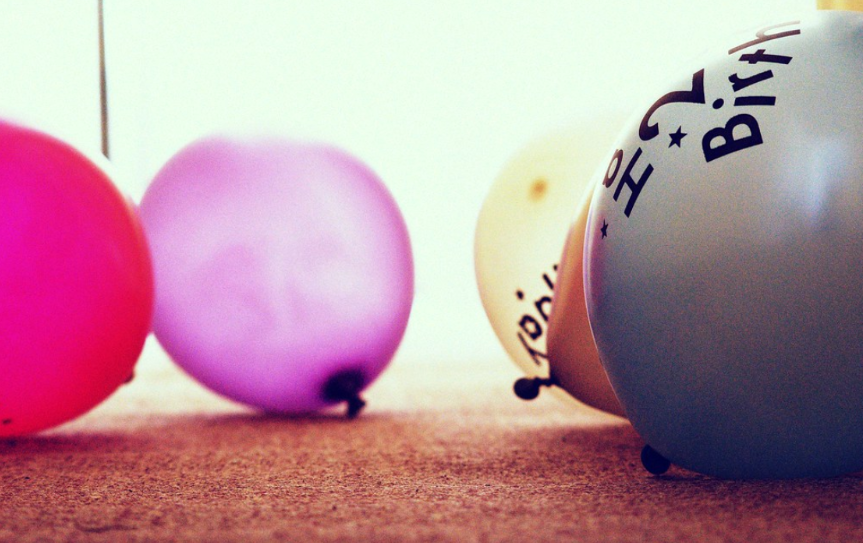
Most people think of birthdays as cake, presents, and someone singing “Happy Birthday.” But once you start looking at how different cultures celebrate, you realize birthdays can be even louder, quieter, spiritual, funny, or deeply meaningful depending on where you are. Every place has its own way of showing love and marking another year of life.
In China, birthdays aren’t always huge yearly events. Instead, families focus on the very young and very old and certain milestone ages as more important and what really matters. Babies even start life already “one-year-old” the moment they’re born. One of the sweetest early traditions happens when a toddler sits in front of different objects and picks one, supposedly predicting their future. Instead of blowing out candles on a cake, families traditionally serve long noodles that symbolize a long life. High school senior Nikki Gao explained that her family keeps birthdays simple: noodles, a hard-boiled egg for luck, and sometimes cake. No big parties. She’s noticed, though, that western-style celebrations are becoming more common as time goes on.
Birthdays celebrated in Mexico are full of warmth, noise, and family. People often wake up to “Las Mananitas,” sometimes even with Mariachis at the door. Important birthdays include the third birthday, when a child is blessed at church, and the Quinceañera at fifteen. A Quinceañera is a huge moment – it marks the shift into young adulthood and usually includes church service, an elegant dress, and a giant party. Senior Daisy Vasquez-Martinez said her own Quinceañera made her feel “officially ready for adulthood,” and her parents surprised her with a trip to Guatemala. Another senior, Ziesha Vargas-Santos, said her family’s parties always include loud music, dancing, tons of food, and of course, tres leches cake.
France keeps things simple. Kids usually have small afternoon parties at home with close friends, and big blowouts only happen for major milestones. Russia, on the other hand, is shaped by superstition. People refuse to celebrate early because it’s considered bad luck, and many prefer a fruit-filled pie with the birthday person’s name baked into the top. There is even a superstition saying that single girls shouldn’t sit at the corner of a table, or they won’t get married for seven years. This originates from Russian culture, where the “sharp corner” of a table is believed to drain a person’s energy or destiny, preventing life changes like marriage.
Today, a lot of people blend traditions. Nikki mixes her family’s Chinese customs with hanging out and rollerblading for fun. Ziesha’s family keeps their loud, lively Latin energy but still sings the American “Happy Birthday” and cuts a cake. No matter the culture, the music, or the food, birthdays all come back to one thing: celebrating someone’s life and hoping the next year is even better than the last.